
Commercial HVAC Services: Key Considerations for Business Owners
December 17, 2025
A reliable commercial HVAC system is one of the most critical components of any business facility, shaping indoor comfort, employee productivity, and customer satisfaction. Whether it is a small office, retail establishment, warehouse, or industrial site, the performance of a building’s heating, ventilation, and cooling systems directly influences operational efficiency. In an era where energy costs continue to rise and environmental standards tighten, business owners must be more strategic than ever in their approach to HVAC maintenance, upgrades, and long-term planning. Understanding the key considerations of commercial HVAC services helps organizations reduce operational disruptions, minimize expenses, and create a healthier working environment.
Commercial HVAC management extends beyond simply repairing broken units. It involves strategic planning, proper sizing, preventive maintenance, system optimization, and compliance with safety and air-quality standards. As business infrastructure becomes more technologically advanced, decision-makers need a deeper understanding of system integrations, smart controls, and long-term cost-efficiency solutions. This blog explores the essential factors business owners should consider when evaluating commercial HVAC needs. From choosing the right equipment to prioritizing energy management and long-term performance, these insights provide the foundation for making informed, cost-effective decisions that support both short-term needs and long-term operational goals.
Understanding Commercial HVAC Requirements
Assessing Building Size and Usage
The first step in selecting or managing a commercial HVAC system is understanding the unique requirements of the building itself. Factors such as square footage, occupancy levels, layout complexity, and usage patterns determine the heating and cooling loads. A warehouse with high ceilings will have different ventilation needs than a medical facility requiring enhanced air filtration. Accurate load calculations prevent issues like uneven temperatures, system overexertion, and unnecessary energy consumption.
Evaluating Industry-Specific Demands
Different industries have distinct HVAC requirements. Restaurants require efficient exhaust systems to manage grease and heat; healthcare facilities need advanced filtration solutions to maintain air purity; data centers depend on precise temperature control to protect servers. Understanding these variables ensures that the installed system aligns with operational expectations and regulatory requirements.
Importance of Proper System Sizing
Oversized HVAC units cycle on and off too frequently, reducing lifespan and wasting energy. Undersized units struggle to maintain comfort, leading to wear and inevitable breakdowns. Proper sizing, guided by Manual N or equivalent standards, ensures optimal performance and energy efficiency.
Understanding Commercial HVAC Requirements
Benefits of High-Efficiency HVAC Systems
Modern high-efficiency HVAC systems reduce energy consumption while delivering superior comfort. Systems with high SEER, EER, and AFUE ratings provide measurable savings over time. Although premium models may require higher upfront investment, their operational savings typically lead to a faster return on investment.
Smart HVAC Controls and Automation
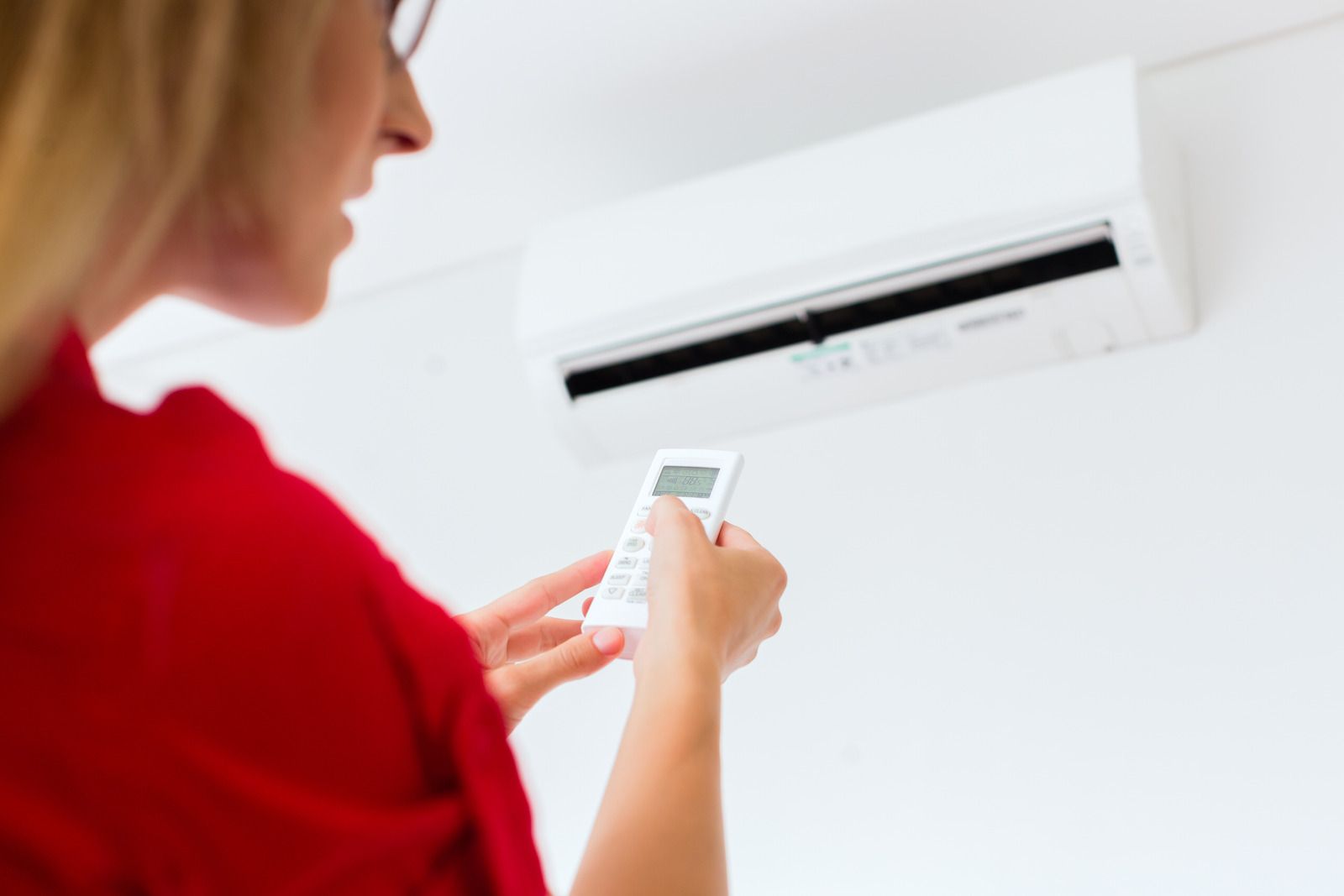
Building automation systems and smart thermostats allow businesses to monitor and manage HVAC performance in real time. Features such as occupancy sensors, remote access, automated scheduling, and zoning control reduce unnecessary runtime and optimize comfort throughout the building. Automation also provides actionable insights through data analytics, helping identify inefficiencies.
Preventive Maintenance for Cost Reduction
Regular maintenance remains one of the simplest yet most impactful cost-saving strategies. Cleaning coils, replacing filters, checking refrigerant levels, and performing seasonal tune-ups extend the life of the system while ensuring it operates at peak efficiency. Businesses that follow consistent maintenance schedules can prevent expensive breakdowns and significantly reduce annual energy consumption.
Energy Recovery Ventilation (ERV) Options
Energy recovery ventilators help maintain indoor air quality while reducing heating and cooling loads. ERVs repurpose energy from outgoing stale air to condition incoming fresh air, creating a more comfortable indoor space while lowering utility costs. This is increasingly important in buildings with high occupancy or stringent ventilation needs.
Indoor Air Quality and Environmental Compliance
Understanding Indoor Air Quality Standards
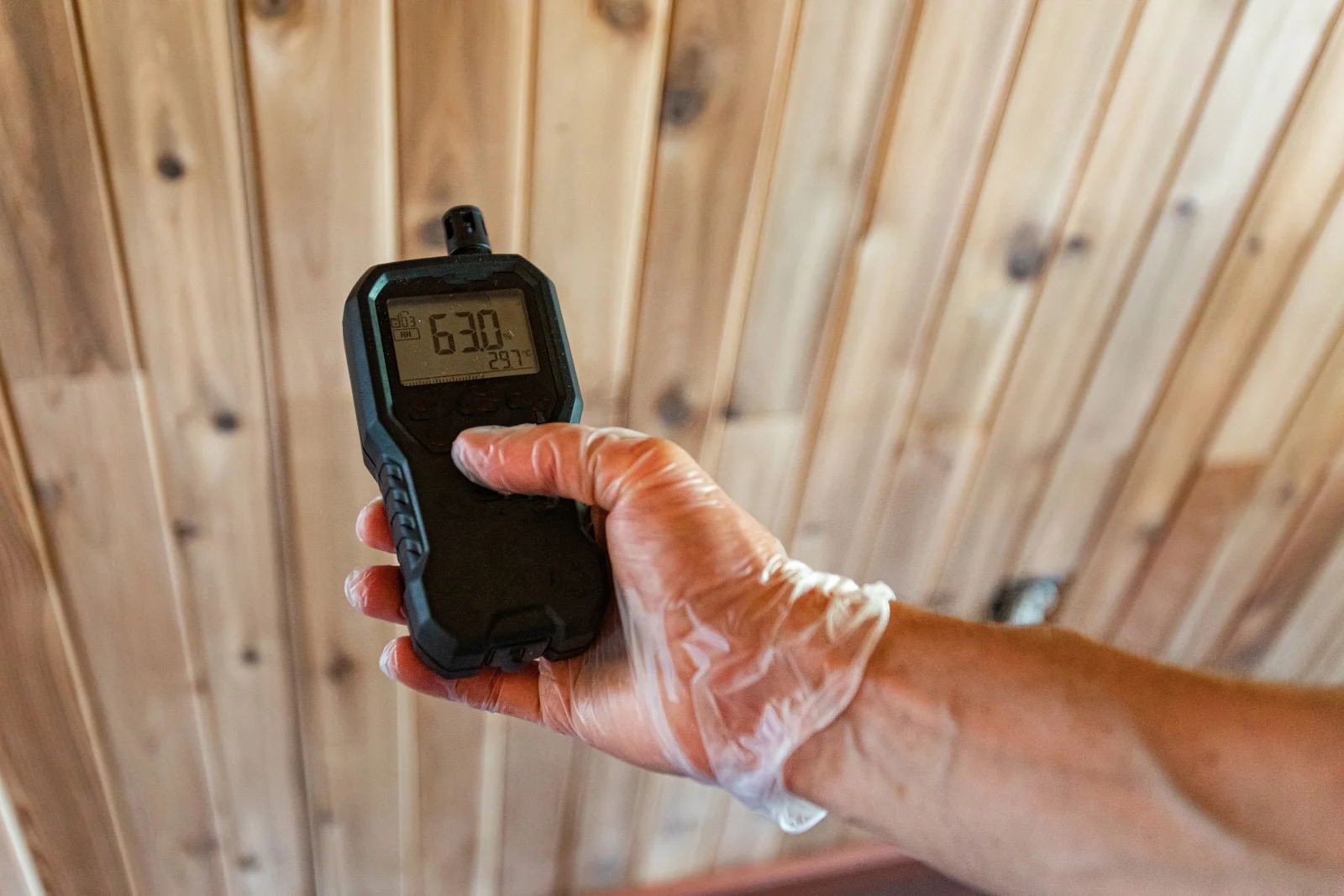
Indoor air quality (IAQ) impacts employee health, comfort, and productivity. Poor IAQ can exacerbate respiratory issues, lead to increased sick days, and compromise sensitive equipment. Compliance with standards from organizations such as ASHRAE, OSHA, and EPA ensures safer indoor environments.
Filtration and Purification Solutions
Commercial HVAC systems can utilize a range of filtration solutions, including HEPA filters, MERV-rated filters, UV-C purification, and bipolar ionization. These technologies reduce pollutants, allergens, viruses, bacteria, and volatile organic compounds. Choosing the right combination depends on building use and IAQ requirements.
Ventilation Strategies for High-Traffic Areas
High-traffic buildings—schools, retail stores, medical facilities, and offices—require balanced ventilation systems. Adequate ventilation removes stale air and reduces airborne contamination. Proper duct design, airflow balancing, and exhaust management are essential for maintaining safe and comfortable indoor environments.
Sustainability and Environmental Impact
Sustainability has become a priority for modern commercial operations. Choosing environmentally friendly refrigerants, reducing carbon emissions, and adopting green-building practices help businesses remain compliant with current regulations. These actions also improve brand reputation and demonstrate corporate responsibility.
Choosing the Right Commercial HVAC Contractor
Importance of Licensing and Certification
Working with qualified HVAC professionals is essential for safety and long-term reliability. Contractors should hold proper state licensing, insurance, and certifications such as NATE or equivalent. Certified technicians follow industry protocols, ensuring correct installation, diagnostics, and repairs.
Evaluating Contractor Experience and Industry Knowledge
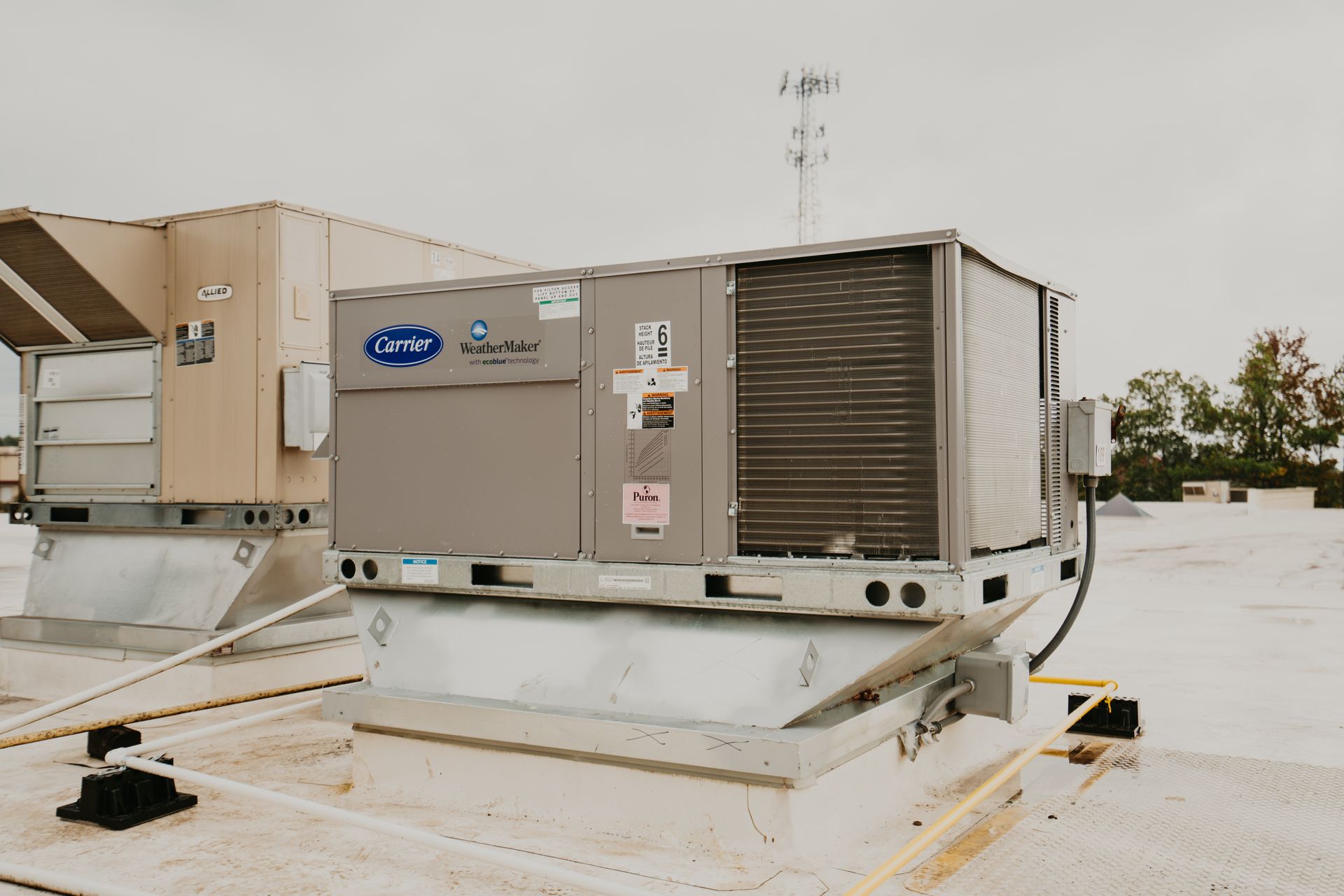
Commercial HVAC systems are more complex than residential systems. A contractor with commercial expertise understands variables like rooftop unit design, ventilation strategies, industrial zoning, and building automation systems. Experience ensures faster diagnosis, accurate troubleshooting, and reliable long-term performance.
Service Agreements and Maintenance Plans
A reputable contractor offers customized service agreements tailored to the needs of each facility. These plans often include quarterly or bi-annual inspections, priority service, discounted repairs, and consistent system monitoring. Service agreements ensure the HVAC system remains in peak condition throughout the year.
Communication and Response Time
Commercial HVAC issues can disrupt operations and cause financial losses. Contractors with fast response times and clear communication protocols minimize downtime. Businesses benefit from partners who offer 24/7 emergency support, transparent pricing, and detailed service documentation.
Planning for Long-Term HVAC System Performance
Lifecycle Cost Analysis
When investing in HVAC equipment, business owners should consider total lifecycle costs—not just initial purchase expenses. These include installation, maintenance, energy usage, repairs, and replacement costs. A well-planned lifecycle analysis ensures financially sound decision-making and avoids premature equipment failure.
System Upgrades and Retrofit Options
Older HVAC systems often become inefficient and expensive to maintain. Retrofitting allows businesses to update critical components such as controls, compressors, and ventilation equipment without replacing the entire system. Strategic upgrades improve performance while reducing long-term operational costs.
Future-Proofing Through Technology Integration
Modern commercial buildings increasingly rely on smart automation and integrated technologies. HVAC systems that work seamlessly with building management systems (BMS) provide real-time data, automated performance tracking, and remote troubleshooting options. Investing in these technologies prepares facilities for future regulatory and efficiency demands.
Emergency Planning and Redundancy
Critical facilities such as hospitals, manufacturing plants, and data centers often require redundant HVAC systems. Backup units or parallel systems ensure continuous operation even during maintenance or unexpected failure. Having an emergency plan prevents operational losses and protects valuable assets.
Common Challenges and Practical Solutions
Balancing Comfort Across Large Buildings
Maintaining consistent comfort across multiple floors or zones can be challenging. Solutions include implementing zoned systems, adjusting ductwork, upgrading thermostats, and optimizing airflow patterns. Proper balancing improves comfort and energy efficiency.
Managing Rising Energy Costs
Energy expenses are one of the largest operational costs for commercial properties. Smart meters, high-efficiency systems, and automated controls help mitigate rising costs. Regular energy audits also uncover inefficiencies that may go unnoticed during routine operations.
Dealing With Frequent Breakdowns
Frequent breakdowns often indicate underlying issues such as improper installation, neglect, or outdated equipment. Conducting system assessments, implementing preventive maintenance, and upgrading outdated components create long-lasting improvements.
Ensuring Compliance With Changing Regulations
HVAC regulations evolve frequently to meet environmental and safety standards. Staying compliant requires working with knowledgeable professionals who monitor regulatory changes and ensure the facility meets all requirements, including refrigerant phase-outs and updated efficiency standards.
Closing Guidance for Improved HVAC System Performance
Commercial HVAC systems play a vital role in shaping workplace comfort, operational efficiency, and the overall performance of a business facility. From proper sizing and energy management to air quality improvements and long-term planning, the decisions a business owner makes today directly impact future cost savings and system reliability. Understanding these key considerations empowers organizations to take a proactive, strategic approach toward HVAC management. When businesses prioritize professional expertise, regular maintenance, and efficient system design, they create healthier environments and minimize the risk of costly disruptions.
For business owners seeking dependable, expert HVAC support, partnering with a trusted provider makes all the difference. Georgia Air Control, LLC, based in Gainesville, Georgia, brings 15
years of professional experience to the commercial HVAC industry. The company is known for delivering dependable solutions, tailored system recommendations, and long-lasting results for businesses of all sizes. With a strong focus on integrity, precision workmanship, and customer satisfaction, Georgia Air Control, LLC
stands as a reliable partner for installations, upgrades, repairs, and ongoing maintenance. Their commitment to excellence ensures businesses receive the highest level of service, efficiency, and long-term value.