
AC Running but the House Won't Cool Below 78? What's Holding It Back
August 10, 2026
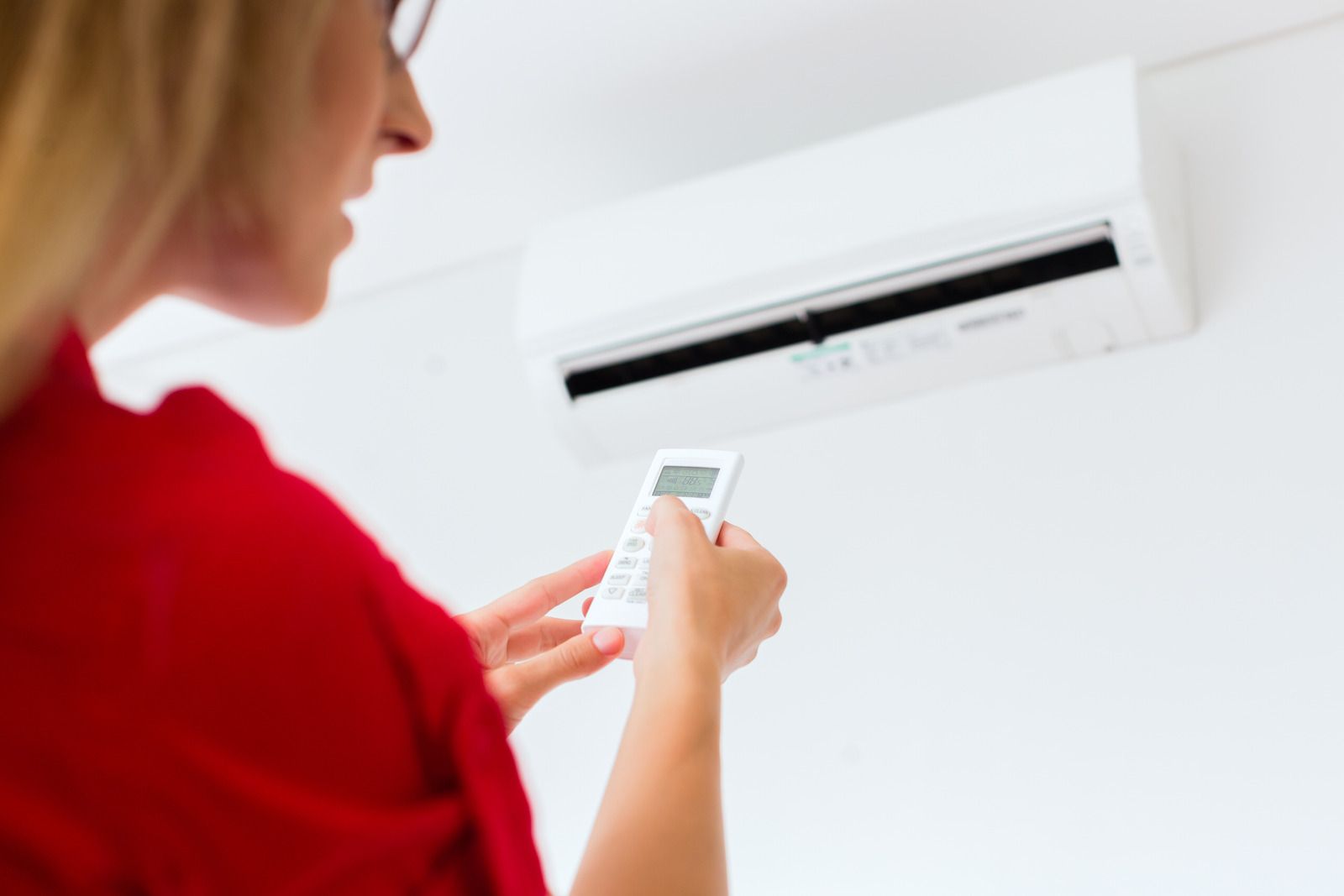
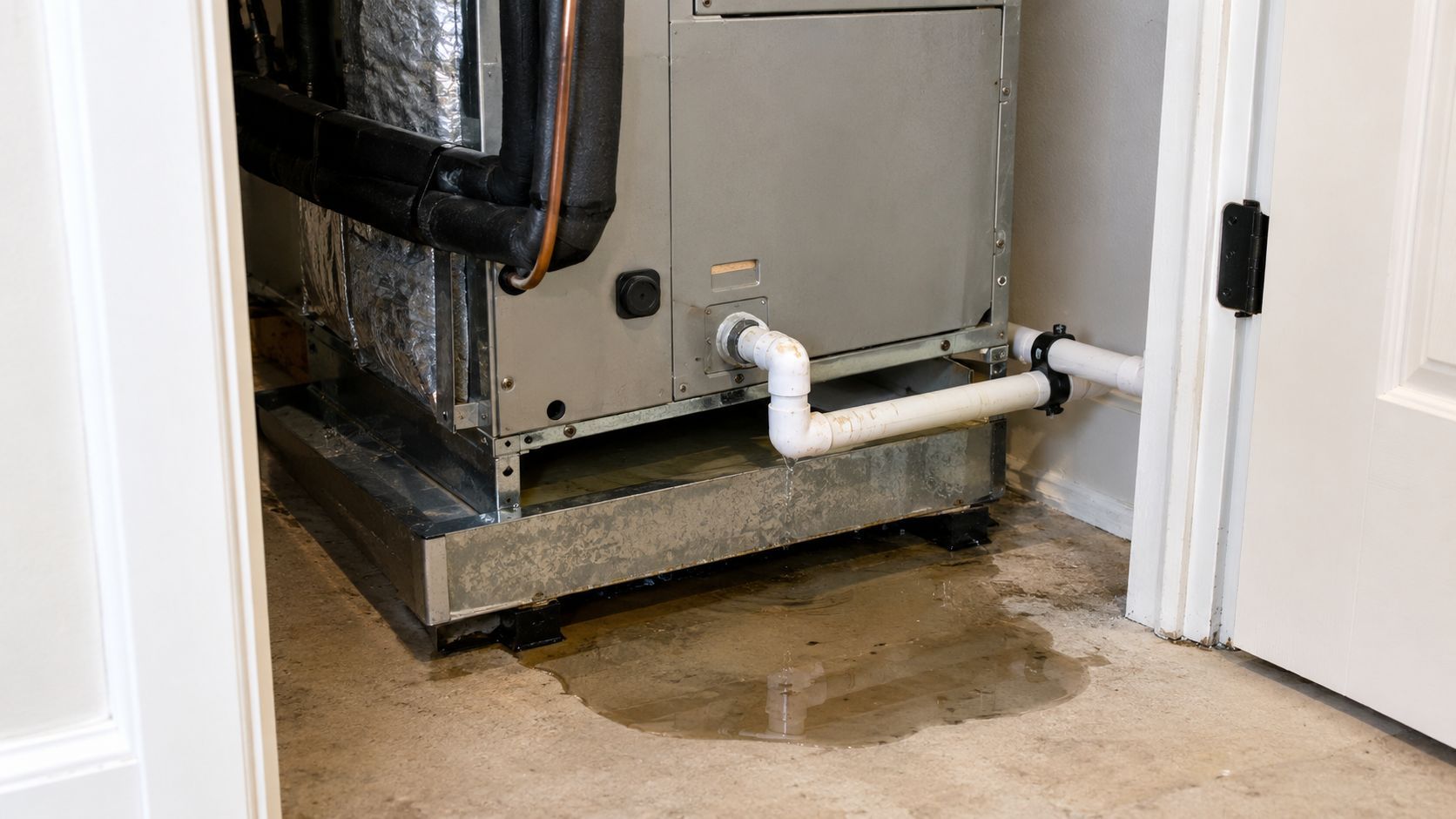
Quick Answer: When the outdoor unit runs constantly but the thermostat won't drop past 78, the cause is almost never "the AC is broken" in the way people assume. It's usually one of five things: a dirty filter or coil restricting airflow, refrigerant that's low from a slow leak, ductwork leaking cooled air into the attic, a system that was undersized or oversized for the house, or an outdoor unit fighting extreme heat and humidity it was never designed to overcome on the worst days of the year. Each of these reduces the system's actual delivered cooling capacity even though the compressor and blower keep running. A technician can usually isolate which one it is with a filter check, a temperature-split reading at the supply vent, and a look at the outdoor coil and ductwork.
You've bumped the thermostat down to 72, maybe even 70, and it hasn't budged. The outdoor unit is humming along, the vents are blowing, and yet the living room thermometer is stuck at 78 no matter what you do. That's a specific kind of frustrating, because everything sounds like it's working. The compressor isn't short-cycling. The blower isn't rattling. It just isn't winning.
Here's the part most homeowners don't know: an air conditioner doesn't have unlimited cooling power. It's rated to remove a fixed amount of heat per hour, and that rating assumes clean airflow, a full refrigerant charge, sealed ductwork, and outdoor conditions within its design range. Take away any one of those, and the system can run at full tilt and still lose ground against a hot, humid North Georgia afternoon. Below are the causes that show up most often, in roughly the order a technician would check them.
Quick Answer: One room that's always hotter than the rest usually means that room isn't getting its fair share of cooled air, an airflow problem, not a broken air conditioner. Common causes are undersized, blocked, or leaky ductwork to that room, a closed or obstructed register, the room being farthest from the unit, poor insulation or lots of sun, or an unbalanced system. The fix is diagnosing why the air isn't reaching that room and correcting the airflow, not just turning the thermostat down for the whole house.
It is a common Georgia summer frustration: most of the house is comfortable, but one room, a back bedroom, an upstairs office, the room over the garage, is always warmer than everywhere else. You turn the thermostat down, and the rest of the house gets cold while that one room still runs hot. The AC seems to be working, so what is going on?
In almost every case, the answer is airflow. That hot room is not getting its fair share of the cooled air the system is producing, and no amount of lowering the thermostat fixes an air-delivery problem; it just overcools everywhere else. Uneven temperatures between rooms are one of the most common cooling complaints, and they usually trace back to how, and whether, conditioned air is reaching each room. Understanding why one room runs hot points to the actual fix. Here is what is behind that stubborn warm room.
Why Ventilation Plays a Critical Role
Ventilation serves as one of the most important components of indoor air quality management. Without adequate fresh air exchange, contaminants remain trapped indoors and continue accumulating.
Modern energy-efficient buildings often have tighter construction, reducing natural airflow and increasing the need for mechanical ventilation solutions.
Professional ventilation strategies help remove stale air while introducing fresh outdoor air under controlled conditions.
Energy Recovery and Fresh Air Systems
Specialized ventilation equipment can improve indoor air quality without significantly increasing energy consumption.
Common systems include:
Energy Recovery Ventilators (ERVs)
ERV systems exchange stale indoor air with fresh outdoor air while helping maintain indoor temperature and humidity balance.
Heat Recovery Ventilators (HRVs)
HRVs improve ventilation efficiency by transferring heat between outgoing and incoming air streams during colder months.
These systems help improve air quality while supporting overall HVAC efficiency.
Managing Indoor Humidity
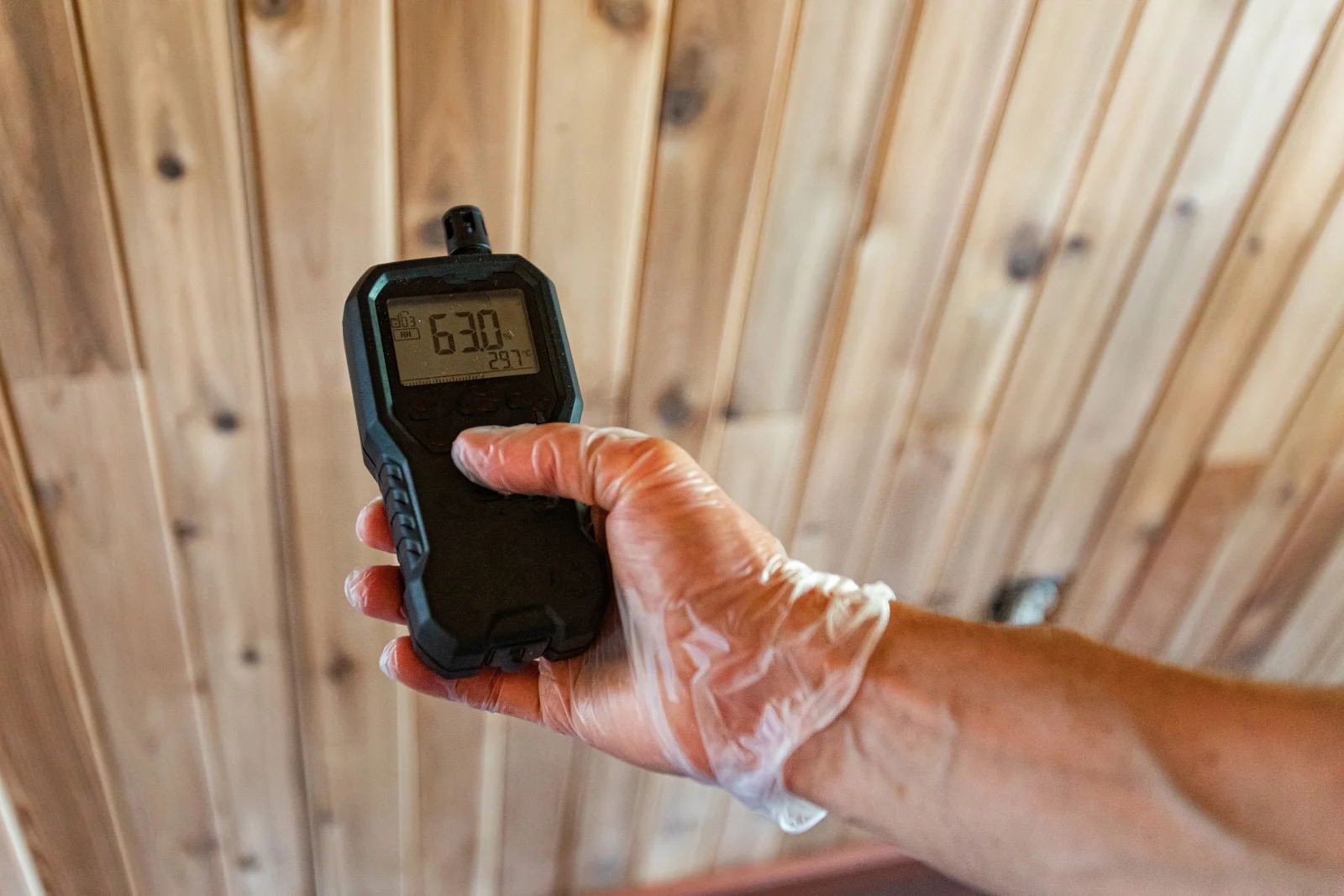
Humidity plays a major role in indoor comfort and air quality. Excess moisture can encourage mold growth and create conditions favorable to dust mites. Low humidity can contribute to dry skin, respiratory irritation, and discomfort.
Professional humidity control solutions may include:
- Whole-home humidifiers
- Whole-home dehumidifiers
- Ventilation improvements
- HVAC adjustments
Maintaining balanced humidity levels helps support healthier indoor conditions throughout the year.
Airflow Is the First Thing to Check, Not the Last
A clogged filter chokes the whole system
Every pound of cooling your AC produces has to pass across the evaporator coil, and that coil needs steady airflow to transfer heat out of the air. A filter packed with dust, pet hair, or pollen restricts that airflow, which drops the amount of heat the coil can pull out of your home per cycle. In Gainesville and the surrounding counties, pollen season alone can load a filter in a matter of weeks, well before most people think to check it.
Blocked returns and closed vents starve the system too
Furniture pushed against a return grille, or half the vents in the house closed to "push air" to one room, has the same effect as a dirty filter — it restricts the volume of air moving across the coil. The system compensates by running longer, which is why the equipment sounds fine even as the house stalls out.
A dirty outdoor coil can't reject heat efficiently
The outdoor unit's job is to dump the heat your AC collected inside back into the outdoor air. When that coil is coated in cottonwood fluff, grass clippings, or a season of dust, it can't shed heat as fast, which raises the pressure the compressor works against and reduces the system's effective capacity. This is one of the easiest things to prevent with a seasonal rinse, and one of the most common things overlooked between tune-ups.
Quick Answer: One room that's always hotter than the rest usually means that room isn't getting its fair share of cooled air, an airflow problem, not a broken air conditioner. Common causes are undersized, blocked, or leaky ductwork to that room, a closed or obstructed register, the room being farthest from the unit, poor insulation or lots of sun, or an unbalanced system. The fix is diagnosing why the air isn't reaching that room and correcting the airflow, not just turning the thermostat down for the whole house.
It is a common Georgia summer frustration: most of the house is comfortable, but one room, a back bedroom, an upstairs office, the room over the garage, is always warmer than everywhere else. You turn the thermostat down, and the rest of the house gets cold while that one room still runs hot. The AC seems to be working, so what is going on?
In almost every case, the answer is airflow. That hot room is not getting its fair share of the cooled air the system is producing, and no amount of lowering the thermostat fixes an air-delivery problem; it just overcools everywhere else. Uneven temperatures between rooms are one of the most common cooling complaints, and they usually trace back to how, and whether, conditioned air is reaching each room. Understanding why one room runs hot points to the actual fix. Here is what is behind that stubborn warm room.
Why Ventilation Plays a Critical Role
Ventilation serves as one of the most important components of indoor air quality management. Without adequate fresh air exchange, contaminants remain trapped indoors and continue accumulating.
Modern energy-efficient buildings often have tighter construction, reducing natural airflow and increasing the need for mechanical ventilation solutions.
Professional ventilation strategies help remove stale air while introducing fresh outdoor air under controlled conditions.
Energy Recovery and Fresh Air Systems
Specialized ventilation equipment can improve indoor air quality without significantly increasing energy consumption.
Common systems include:
Energy Recovery Ventilators (ERVs)
ERV systems exchange stale indoor air with fresh outdoor air while helping maintain indoor temperature and humidity balance.
Heat Recovery Ventilators (HRVs)
HRVs improve ventilation efficiency by transferring heat between outgoing and incoming air streams during colder months.
These systems help improve air quality while supporting overall HVAC efficiency.
Managing Indoor Humidity
Humidity plays a major role in indoor comfort and air quality. Excess moisture can encourage mold growth and create conditions favorable to dust mites. Low humidity can contribute to dry skin, respiratory irritation, and discomfort.
Professional humidity control solutions may include:
- Whole-home humidifiers
- Whole-home dehumidifiers
- Ventilation improvements
- HVAC adjustments
Maintaining balanced humidity levels helps support healthier indoor conditions throughout the year.
Refrigerant Charge Has a Direct Line to Cooling Capacity
This is the one that surprises people most, because a refrigerant leak doesn't necessarily mean the system stops cooling — it means the system cools less. Refrigerant is what actually carries heat out of your house; it isn't a fuel that gets "used up," so if the charge is low, something is leaking, and the system is running with less than it needs to hit its rated output.
Research published on refrigerant charge performance for residential air conditioners has found that a 25 percent undercharge can cut cooling capacity by roughly 20 percent and reduce energy efficiency by around 15 percent. That's a meaningful chunk of a system's rated tonnage disappearing without a single obvious symptom other than the house staying warmer than it should. Energy Star's own technical specifications for central air conditioners state plainly that proper refrigerant charge and proper airflow are both required to achieve the unit's rated capacity — miss either one, and the equipment underperforms even though it was manufactured correctly.
Warning signs of a slow leak include ice on the copper refrigerant line, a faint hissing sound near the line set, and a system that seems to cool worse each season even after a filter change. None of these confirm a leak on their own, but together they're a strong reason to have refrigerant levels checked rather than just keep lowering the thermostat and hoping.
Quick Answer: One room that's always hotter than the rest usually means that room isn't getting its fair share of cooled air, an airflow problem, not a broken air conditioner. Common causes are undersized, blocked, or leaky ductwork to that room, a closed or obstructed register, the room being farthest from the unit, poor insulation or lots of sun, or an unbalanced system. The fix is diagnosing why the air isn't reaching that room and correcting the airflow, not just turning the thermostat down for the whole house.
It is a common Georgia summer frustration: most of the house is comfortable, but one room, a back bedroom, an upstairs office, the room over the garage, is always warmer than everywhere else. You turn the thermostat down, and the rest of the house gets cold while that one room still runs hot. The AC seems to be working, so what is going on?
In almost every case, the answer is airflow. That hot room is not getting its fair share of the cooled air the system is producing, and no amount of lowering the thermostat fixes an air-delivery problem; it just overcools everywhere else. Uneven temperatures between rooms are one of the most common cooling complaints, and they usually trace back to how, and whether, conditioned air is reaching each room. Understanding why one room runs hot points to the actual fix. Here is what is behind that stubborn warm room.
Why Ventilation Plays a Critical Role
Ventilation serves as one of the most important components of indoor air quality management. Without adequate fresh air exchange, contaminants remain trapped indoors and continue accumulating.
Modern energy-efficient buildings often have tighter construction, reducing natural airflow and increasing the need for mechanical ventilation solutions.
Professional ventilation strategies help remove stale air while introducing fresh outdoor air under controlled conditions.
Energy Recovery and Fresh Air Systems
Specialized ventilation equipment can improve indoor air quality without significantly increasing energy consumption.
Common systems include:
Energy Recovery Ventilators (ERVs)
ERV systems exchange stale indoor air with fresh outdoor air while helping maintain indoor temperature and humidity balance.
Heat Recovery Ventilators (HRVs)
HRVs improve ventilation efficiency by transferring heat between outgoing and incoming air streams during colder months.
These systems help improve air quality while supporting overall HVAC efficiency.
Managing Indoor Humidity
Humidity plays a major role in indoor comfort and air quality. Excess moisture can encourage mold growth and create conditions favorable to dust mites. Low humidity can contribute to dry skin, respiratory irritation, and discomfort.
Professional humidity control solutions may include:
- Whole-home humidifiers
- Whole-home dehumidifiers
- Ventilation improvements
- HVAC adjustments
Maintaining balanced humidity levels helps support healthier indoor conditions throughout the year.
Leaky Ductwork Sends Your Cool Air Somewhere Else
Even a perfectly tuned, fully charged AC can't cool a house if a meaningful share of the air it produces never reaches the living space. Ducts running through a hot attic — which describes most homes in this region — lose cooled air through seams, disconnected joints, and gaps at the boot connections. That air ends up cooling the attic instead of the bedroom at the end of the hallway, and the system has no way of knowing the difference. It just keeps running, technically doing its job, while a portion of what it produces is wasted before it ever reaches a vent.
This is also why two houses with identical AC systems can perform completely differently. One has ductwork sealed tight; the other is losing a fifth of its output into an attic that regularly hits well over 120 degrees on a summer afternoon. Duct leakage doesn't just waste energy — it directly explains why the house won't cool below a certain point no matter how long the system runs.
Tip: If one or two specific rooms are always warmer than the rest while the rest of the house cools fine, that's more often a duct or airflow-balancing issue localized to that run of ductwork. If the entire house is stuck above your setpoint, that points more toward a whole-system issue — airflow, charge, or sizing — rather than a single duct run.
Quick Answer: One room that's always hotter than the rest usually means that room isn't getting its fair share of cooled air, an airflow problem, not a broken air conditioner. Common causes are undersized, blocked, or leaky ductwork to that room, a closed or obstructed register, the room being farthest from the unit, poor insulation or lots of sun, or an unbalanced system. The fix is diagnosing why the air isn't reaching that room and correcting the airflow, not just turning the thermostat down for the whole house.
It is a common Georgia summer frustration: most of the house is comfortable, but one room, a back bedroom, an upstairs office, the room over the garage, is always warmer than everywhere else. You turn the thermostat down, and the rest of the house gets cold while that one room still runs hot. The AC seems to be working, so what is going on?
In almost every case, the answer is airflow. That hot room is not getting its fair share of the cooled air the system is producing, and no amount of lowering the thermostat fixes an air-delivery problem; it just overcools everywhere else. Uneven temperatures between rooms are one of the most common cooling complaints, and they usually trace back to how, and whether, conditioned air is reaching each room. Understanding why one room runs hot points to the actual fix. Here is what is behind that stubborn warm room.
Why Ventilation Plays a Critical Role
Ventilation serves as one of the most important components of indoor air quality management. Without adequate fresh air exchange, contaminants remain trapped indoors and continue accumulating.
Modern energy-efficient buildings often have tighter construction, reducing natural airflow and increasing the need for mechanical ventilation solutions.
Professional ventilation strategies help remove stale air while introducing fresh outdoor air under controlled conditions.
Energy Recovery and Fresh Air Systems
Specialized ventilation equipment can improve indoor air quality without significantly increasing energy consumption.
Common systems include:
Energy Recovery Ventilators (ERVs)
ERV systems exchange stale indoor air with fresh outdoor air while helping maintain indoor temperature and humidity balance.
Heat Recovery Ventilators (HRVs)
HRVs improve ventilation efficiency by transferring heat between outgoing and incoming air streams during colder months.
These systems help improve air quality while supporting overall HVAC efficiency.
Managing Indoor Humidity
Humidity plays a major role in indoor comfort and air quality. Excess moisture can encourage mold growth and create conditions favorable to dust mites. Low humidity can contribute to dry skin, respiratory irritation, and discomfort.
Professional humidity control solutions may include:
- Whole-home humidifiers
- Whole-home dehumidifiers
- Ventilation improvements
- HVAC adjustments
Maintaining balanced humidity levels helps support healthier indoor conditions throughout the year.
Sizing Mistakes Cut Both Ways
A system that's too small for the home simply doesn't have the tonnage to keep up on the hottest days. It'll run continuously, working exactly as designed, and still lose the battle once outdoor temperatures climb into the mid-90s with Georgia's typical summer humidity stacked on top. This is a sizing problem, not a malfunction — the equipment is doing everything it's capable of.
Oversizing causes a different but related problem. A system that's too large for the space cools the air quickly and shuts off before it's run long enough to pull humidity out of the house. The thermostat reads satisfied, the compressor shuts down, and humidity climbs right back up, which makes the house feel warmer than the number on the wall suggests — a phenomenon ACCA's own guidance on load calculations points to directly, since oversized equipment short-cycles and struggles with humidity control even while nominally meeting the temperature setpoint.
Correct sizing comes from a room-by-room load calculation that accounts for square footage, insulation levels, window orientation, and duct condition — not a rule of thumb based on square footage alone. If a system has never kept up, even when it was new, an incorrect original sizing is a strong candidate.
Quick Answer: One room that's always hotter than the rest usually means that room isn't getting its fair share of cooled air, an airflow problem, not a broken air conditioner. Common causes are undersized, blocked, or leaky ductwork to that room, a closed or obstructed register, the room being farthest from the unit, poor insulation or lots of sun, or an unbalanced system. The fix is diagnosing why the air isn't reaching that room and correcting the airflow, not just turning the thermostat down for the whole house.
It is a common Georgia summer frustration: most of the house is comfortable, but one room, a back bedroom, an upstairs office, the room over the garage, is always warmer than everywhere else. You turn the thermostat down, and the rest of the house gets cold while that one room still runs hot. The AC seems to be working, so what is going on?
In almost every case, the answer is airflow. That hot room is not getting its fair share of the cooled air the system is producing, and no amount of lowering the thermostat fixes an air-delivery problem; it just overcools everywhere else. Uneven temperatures between rooms are one of the most common cooling complaints, and they usually trace back to how, and whether, conditioned air is reaching each room. Understanding why one room runs hot points to the actual fix. Here is what is behind that stubborn warm room.
Why Ventilation Plays a Critical Role
Ventilation serves as one of the most important components of indoor air quality management. Without adequate fresh air exchange, contaminants remain trapped indoors and continue accumulating.
Modern energy-efficient buildings often have tighter construction, reducing natural airflow and increasing the need for mechanical ventilation solutions.
Professional ventilation strategies help remove stale air while introducing fresh outdoor air under controlled conditions.
Energy Recovery and Fresh Air Systems
Specialized ventilation equipment can improve indoor air quality without significantly increasing energy consumption.
Common systems include:
Energy Recovery Ventilators (ERVs)
ERV systems exchange stale indoor air with fresh outdoor air while helping maintain indoor temperature and humidity balance.
Heat Recovery Ventilators (HRVs)
HRVs improve ventilation efficiency by transferring heat between outgoing and incoming air streams during colder months.
These systems help improve air quality while supporting overall HVAC efficiency.
Managing Indoor Humidity
Humidity plays a major role in indoor comfort and air quality. Excess moisture can encourage mold growth and create conditions favorable to dust mites. Low humidity can contribute to dry skin, respiratory irritation, and discomfort.
Professional humidity control solutions may include:
- Whole-home humidifiers
- Whole-home dehumidifiers
- Ventilation improvements
- HVAC adjustments
Maintaining balanced humidity levels helps support healthier indoor conditions throughout the year.
When It's the Weather, Not the Equipment
Every AC system is designed around a specific outdoor temperature range, sometimes called its design condition. On the small number of days each year that push past that range — the hottest, most humid stretches of a North Georgia summer — even a properly sized, well-maintained system will struggle to hit an aggressive setpoint like 70 or 72. This isn't a defect; it's the system running at the edge of what it was built to handle. The distinction matters because it changes what "fixing" the problem looks like. On a design-condition day, a ceiling fan and a slightly higher setpoint may close the gap. On an ordinary 88-degree day, a house stuck at 78 is telling you something is actually wrong.
Quick Answer: One room that's always hotter than the rest usually means that room isn't getting its fair share of cooled air, an airflow problem, not a broken air conditioner. Common causes are undersized, blocked, or leaky ductwork to that room, a closed or obstructed register, the room being farthest from the unit, poor insulation or lots of sun, or an unbalanced system. The fix is diagnosing why the air isn't reaching that room and correcting the airflow, not just turning the thermostat down for the whole house.
It is a common Georgia summer frustration: most of the house is comfortable, but one room, a back bedroom, an upstairs office, the room over the garage, is always warmer than everywhere else. You turn the thermostat down, and the rest of the house gets cold while that one room still runs hot. The AC seems to be working, so what is going on?
In almost every case, the answer is airflow. That hot room is not getting its fair share of the cooled air the system is producing, and no amount of lowering the thermostat fixes an air-delivery problem; it just overcools everywhere else. Uneven temperatures between rooms are one of the most common cooling complaints, and they usually trace back to how, and whether, conditioned air is reaching each room. Understanding why one room runs hot points to the actual fix. Here is what is behind that stubborn warm room.
Why Ventilation Plays a Critical Role
Ventilation serves as one of the most important components of indoor air quality management. Without adequate fresh air exchange, contaminants remain trapped indoors and continue accumulating.
Modern energy-efficient buildings often have tighter construction, reducing natural airflow and increasing the need for mechanical ventilation solutions.
Professional ventilation strategies help remove stale air while introducing fresh outdoor air under controlled conditions.
Energy Recovery and Fresh Air Systems
Specialized ventilation equipment can improve indoor air quality without significantly increasing energy consumption.
Common systems include:
Energy Recovery Ventilators (ERVs)
ERV systems exchange stale indoor air with fresh outdoor air while helping maintain indoor temperature and humidity balance.
Heat Recovery Ventilators (HRVs)
HRVs improve ventilation efficiency by transferring heat between outgoing and incoming air streams during colder months.
These systems help improve air quality while supporting overall HVAC efficiency.
Managing Indoor Humidity
Humidity plays a major role in indoor comfort and air quality. Excess moisture can encourage mold growth and create conditions favorable to dust mites. Low humidity can contribute to dry skin, respiratory irritation, and discomfort.
Professional humidity control solutions may include:
- Whole-home humidifiers
- Whole-home dehumidifiers
- Ventilation improvements
- HVAC adjustments
Maintaining balanced humidity levels helps support healthier indoor conditions throughout the year.
How a Technician Narrows It Down
A proper diagnostic doesn't start by guessing — it starts with measurements. A technician will typically check the temperature split between the return air and the supply air coming out of a vent near the unit; a healthy system usually produces a split in a fairly narrow, predictable range, and a smaller split points toward airflow or charge problems. From there, filter and coil condition, refrigerant pressures, and duct static pressure narrow the list further. This is also why phone diagnosis rarely works well for this particular complaint — "AC running constantly, house won't cool" can point to five different root causes that all produce the same symptom, and only measurements at the equipment can tell them apart.
Quick Answer: One room that's always hotter than the rest usually means that room isn't getting its fair share of cooled air, an airflow problem, not a broken air conditioner. Common causes are undersized, blocked, or leaky ductwork to that room, a closed or obstructed register, the room being farthest from the unit, poor insulation or lots of sun, or an unbalanced system. The fix is diagnosing why the air isn't reaching that room and correcting the airflow, not just turning the thermostat down for the whole house.
It is a common Georgia summer frustration: most of the house is comfortable, but one room, a back bedroom, an upstairs office, the room over the garage, is always warmer than everywhere else. You turn the thermostat down, and the rest of the house gets cold while that one room still runs hot. The AC seems to be working, so what is going on?
In almost every case, the answer is airflow. That hot room is not getting its fair share of the cooled air the system is producing, and no amount of lowering the thermostat fixes an air-delivery problem; it just overcools everywhere else. Uneven temperatures between rooms are one of the most common cooling complaints, and they usually trace back to how, and whether, conditioned air is reaching each room. Understanding why one room runs hot points to the actual fix. Here is what is behind that stubborn warm room.
Frequently Asked Questions
Why does my thermostat say 78 when I set it to 70?
Your thermostat displays the actual indoor temperature. If it remains at 78, your AC may lack sufficient cooling capacity because of restricted airflow, low refrigerant, duct leakage, or improper sizing.
Is it normal for an AC to run all day in the summer?
operation without reaching the set temperature may indicate airflow problems, refrigerant issues, duct leakage, or incorrect sizing.
Could a dirty air filter really keep my house from cooling below 78?
Yes. A dirty filter restricts airflow across the evaporator coil, reducing heat removal and cooling performance. During heavy pollen seasons, filters may become clogged much faster than homeowners normally expect.
Should I just replace the whole system if it won't cool below 78?
Not necessarily. Dirty components, refrigerant leaks, airflow restrictions, and leaking ducts can often be repaired. Replacement may make sense when equipment is older, frequently failing, inefficient, or improperly sized originally.
Does humidity affect how cool my house feels even if the temperature reads correctly?
Yes. High humidity makes indoor temperatures feel warmer because moisture evaporates from your skin more slowly. Oversized systems may short-cycle, leaving excessive humidity indoors even after reaching the thermostat setting.
Quick Answer: One room that's always hotter than the rest usually means that room isn't getting its fair share of cooled air, an airflow problem, not a broken air conditioner. Common causes are undersized, blocked, or leaky ductwork to that room, a closed or obstructed register, the room being farthest from the unit, poor insulation or lots of sun, or an unbalanced system. The fix is diagnosing why the air isn't reaching that room and correcting the airflow, not just turning the thermostat down for the whole house.
It is a common Georgia summer frustration: most of the house is comfortable, but one room, a back bedroom, an upstairs office, the room over the garage, is always warmer than everywhere else. You turn the thermostat down, and the rest of the house gets cold while that one room still runs hot. The AC seems to be working, so what is going on?
In almost every case, the answer is airflow. That hot room is not getting its fair share of the cooled air the system is producing, and no amount of lowering the thermostat fixes an air-delivery problem; it just overcools everywhere else. Uneven temperatures between rooms are one of the most common cooling complaints, and they usually trace back to how, and whether, conditioned air is reaching each room. Understanding why one room runs hot points to the actual fix. Here is what is behind that stubborn warm room.
Why Ventilation Plays a Critical Role
Ventilation serves as one of the most important components of indoor air quality management. Without adequate fresh air exchange, contaminants remain trapped indoors and continue accumulating.
Modern energy-efficient buildings often have tighter construction, reducing natural airflow and increasing the need for mechanical ventilation solutions.
Professional ventilation strategies help remove stale air while introducing fresh outdoor air under controlled conditions.
Energy Recovery and Fresh Air Systems
Specialized ventilation equipment can improve indoor air quality without significantly increasing energy consumption.
Common systems include:
Energy Recovery Ventilators (ERVs)
ERV systems exchange stale indoor air with fresh outdoor air while helping maintain indoor temperature and humidity balance.
Heat Recovery Ventilators (HRVs)
HRVs improve ventilation efficiency by transferring heat between outgoing and incoming air streams during colder months.
These systems help improve air quality while supporting overall HVAC efficiency.
Managing Indoor Humidity
Humidity plays a major role in indoor comfort and air quality. Excess moisture can encourage mold growth and create conditions favorable to dust mites. Low humidity can contribute to dry skin, respiratory irritation, and discomfort.
Professional humidity control solutions may include:
- Whole-home humidifiers
- Whole-home dehumidifiers
- Ventilation improvements
- HVAC adjustments
Maintaining balanced humidity levels helps support healthier indoor conditions throughout the year.
Reliable Cooling Starts With the Right Diagnosis
When an air conditioner runs constantly but the temperature refuses to drop, the issue usually comes down to lost cooling capacity somewhere in the system. Restricted airflow, low refrigerant, leaking ducts, improper sizing, or extreme outdoor conditions can each limit performance in different ways. With 15 years of experience, Georgia Air Control, LLC understands how North Georgia heat and humidity affect residential cooling systems and why accurate diagnosis matters when an AC can no longer maintain comfortable indoor temperatures.
Recognizing the difference between normal summer strain and an underlying system problem can prevent unnecessary repairs while helping homeowners understand what their equipment actually needs. A clean, properly charged, correctly sized system with sealed ductwork should provide dependable cooling through most summer conditions. When indoor temperatures consistently remain above the thermostat setting, identifying the specific source of lost capacity provides a clearer path forward and helps restore balanced airflow, consistent comfort, better humidity control, and more reliable performance throughout the hottest months.