
Professional Indoor Air Quality Solutions: From Assessment to Installation
June 8, 2026
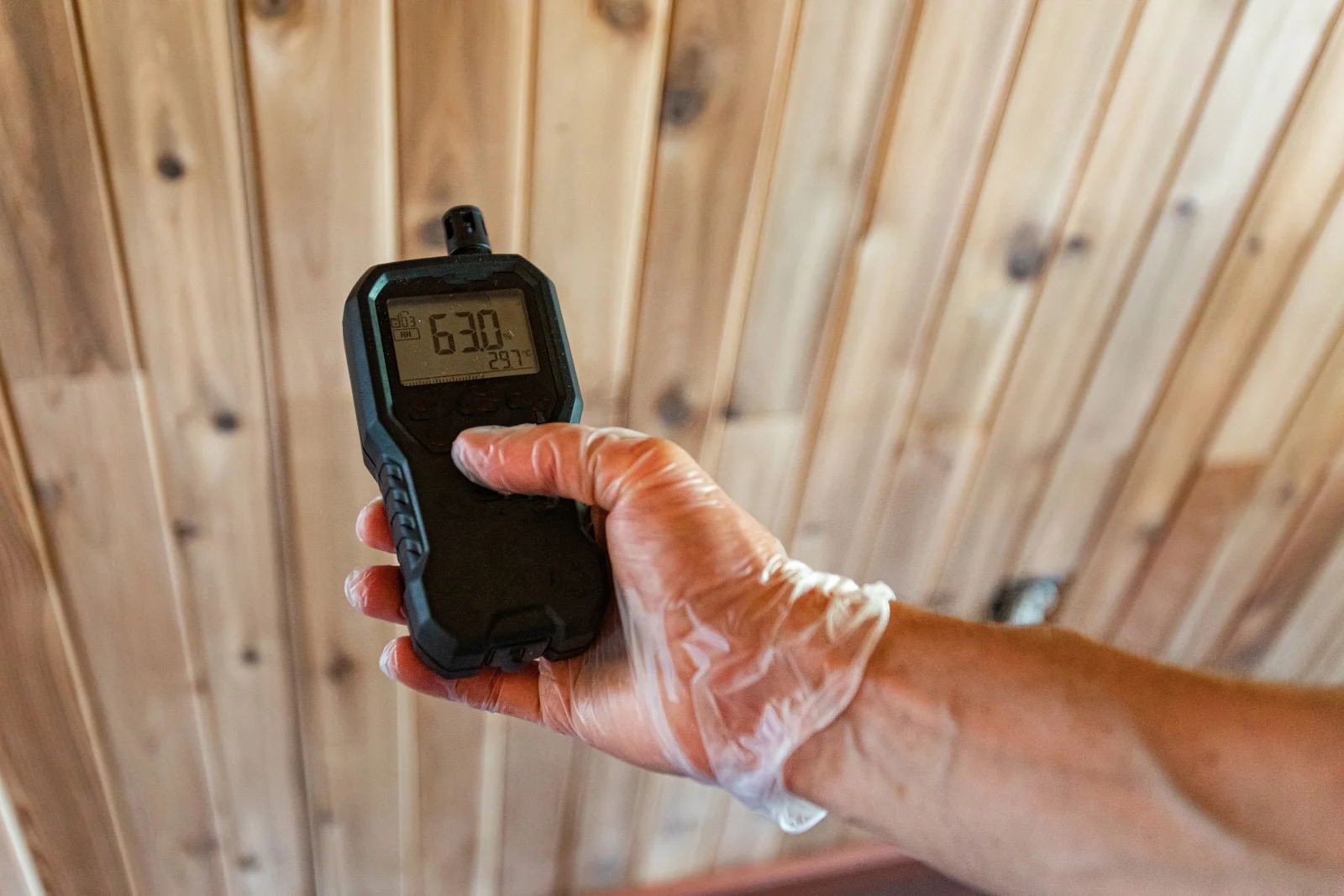
Indoor air quality has become one of the most important factors influencing comfort, health, and building performance. While many property owners focus on temperature control, the quality of the air circulating throughout a home or commercial space often receives far less attention. Airborne contaminants such as dust, pollen, pet dander, mold spores, volatile organic compounds (VOCs), and excess humidity can negatively affect occupants and place additional strain on HVAC systems. As modern buildings become more energy efficient and tightly sealed, the need for professional indoor air quality solutions continues to grow. Understanding how air quality impacts daily living is the first step toward creating healthier indoor environments that support wellbeing and long-term property value.
Professional indoor air quality services provide a structured approach to identifying and resolving air-related concerns. Rather than relying on temporary fixes, qualified specialists evaluate airflow, filtration, ventilation, humidity levels, and potential contamination sources before recommending targeted solutions. This process helps ensure that improvements address the root causes of poor air quality rather than merely treating symptoms. From comprehensive assessments and testing procedures to advanced filtration systems and ventilation upgrades, professional indoor air quality solutions offer measurable benefits for residential and commercial properties alike. Understanding each stage of the process helps property owners make informed decisions and achieve cleaner, healthier indoor environments.
Understanding Indoor Air Quality Challenges
Common Sources of Indoor Air Pollution
Many people assume outdoor pollution poses the greatest threat to air quality, yet indoor environments often contain a variety of pollutants that can accumulate over time. Common sources include household cleaning products, cooking emissions, building materials, furniture, carpets, pet dander, dust mites, and mold growth.
Poor ventilation can worsen these issues by trapping contaminants indoors. In commercial settings, high occupancy levels, office equipment, and inadequate airflow can further contribute to declining air quality. Without proper intervention, these pollutants continue circulating through HVAC systems and occupied spaces.
Signs That Air Quality May Be Poor
Indoor air quality problems are not always immediately visible. However, several warning signs often indicate the need for professional evaluation:
- Frequent allergy symptoms indoors
- Persistent odors that do not dissipate
- Excessive dust accumulation
- Uneven humidity levels
- Condensation on windows
- Increased respiratory discomfort
- Mold or mildew growth
- Poor airflow in certain rooms
When these issues persist, professional assessment becomes essential to identify underlying causes and develop appropriate solutions.
Why Air Quality Matters
Poor indoor air quality can impact occupant comfort, productivity, and overall health. Employees working in poorly ventilated offices may experience fatigue, headaches, or difficulty concentrating. Homeowners may notice worsening allergy symptoms or recurring respiratory irritation.
Improving air quality supports healthier living conditions while helping HVAC systems operate more efficiently. Better air circulation and cleaner airflow can also contribute to a more comfortable indoor environment throughout the year.
The Importance of Professional Indoor Air Quality Assessments
Comprehensive Testing and Evaluation
Professional indoor air quality improvement begins with a detailed assessment. Rather than relying on assumptions, specialists gather measurable data to determine the condition of the indoor environment.
Testing may include:
- Airflow measurements
- Humidity evaluations
- Ventilation analysis
- Particulate testing
- Carbon monoxide monitoring
- VOC detection
- Mold assessments
- Filtration performance reviews
This comprehensive approach helps identify both visible and hidden issues affecting indoor air quality.
Identifying Root Causes Instead of Symptoms
Many property owners attempt to address air quality concerns through portable air purifiers or frequent cleaning. While these efforts may provide temporary relief, they often fail to address the actual source of contamination.
For example, excessive dust may result from leaking ductwork rather than inadequate cleaning. Persistent odors may stem from poor ventilation rather than surface contaminants. High humidity may indicate ventilation deficiencies or HVAC performance issues.
Professional assessments focus on identifying these root causes so corrective measures can provide long-term improvements.
Developing Customized Recommendations
Every property presents unique challenges. Factors such as building size, occupancy levels, climate conditions, HVAC design, and indoor activities influence air quality performance.
Following an assessment, professionals develop customized recommendations tailored to specific conditions. This personalized approach helps ensure investments target the most impactful improvements rather than unnecessary upgrades.
Choosing the Right Indoor Air Quality Solutions
Advanced Air Filtration Systems
One of the most effective ways to improve indoor air quality involves upgrading filtration systems. Standard HVAC filters capture larger particles but may allow smaller contaminants to pass through.
Advanced filtration options can capture:
- Fine dust particles
- Pollen
- Pet dander
- Mold spores
- Certain bacteria
- Other airborne contaminants
High-efficiency filtration systems help reduce airborne pollutants while supporting cleaner indoor environments.
Selecting Appropriate Filtration Levels
Not every property requires the highest filtration rating available. Overly restrictive filters can impact airflow if they are incompatible with the HVAC system.
Professional guidance helps balance filtration efficiency with system performance, ensuring optimal results without compromising airflow.
Air Purification Technologies
Beyond filtration, air purification technologies provide additional protection against airborne contaminants.
Popular solutions include:
- UV germicidal systems
- Electronic air cleaners
- Photocatalytic oxidation systems
- Whole-home air purifiers
These technologies target pollutants that traditional filters may not fully address. Professional evaluation helps determine which options align with specific air quality concerns.
Real-World Example
A family experiencing year-round allergy symptoms may discover through testing that airborne allergens and poor filtration contribute to indoor discomfort. By combining upgraded filtration with whole-home purification, significant improvements in air quality and comfort can often be achieved.
Ventilation and Humidity Control Strategies
Why Ventilation Plays a Critical Role
Ventilation serves as one of the most important components of indoor air quality management. Without adequate fresh air exchange, contaminants remain trapped indoors and continue accumulating.
Modern energy-efficient buildings often have tighter construction, reducing natural airflow and increasing the need for mechanical ventilation solutions.
Professional ventilation strategies help remove stale air while introducing fresh outdoor air under controlled conditions.
Energy Recovery and Fresh Air Systems
Specialized ventilation equipment can improve indoor air quality without significantly increasing energy consumption.
Common systems include:
Energy Recovery Ventilators (ERVs)
ERV systems exchange stale indoor air with fresh outdoor air while helping maintain indoor temperature and humidity balance.
Heat Recovery Ventilators (HRVs)
HRVs improve ventilation efficiency by transferring heat between outgoing and incoming air streams during colder months.
These systems help improve air quality while supporting overall HVAC efficiency.
Managing Indoor Humidity
Humidity plays a major role in indoor comfort and air quality. Excess moisture can encourage mold growth and create conditions favorable to dust mites. Low humidity can contribute to dry skin, respiratory irritation, and discomfort.
Professional humidity control solutions may include:
- Whole-home humidifiers
- Whole-home dehumidifiers
- Ventilation improvements
- HVAC adjustments
Maintaining balanced humidity levels helps support healthier indoor conditions throughout the year.
Professional Installation and Long-Term Performance
Proper Installation Matters
Even the most advanced air quality equipment can fail to deliver expected results if installed improperly. Professional installation ensures systems integrate correctly with existing HVAC equipment and operate according to manufacturer specifications.
Improper installation can lead to:
- Reduced efficiency
- Airflow restrictions
- Equipment damage
- Uneven performance
- Increased maintenance requirements
Professional installation helps maximize the value of air quality investments while reducing potential complications.
System Integration and Optimization
Indoor air quality solutions rarely function as standalone upgrades. Instead, they work alongside HVAC systems, ductwork, ventilation components, and humidity control equipment.
Professionals evaluate how these systems interact to ensure seamless integration. Adjustments to airflow settings, filtration configurations, and ventilation rates help create a balanced indoor environment.
Ongoing Maintenance Requirements
Maintaining air quality improvements requires ongoing attention. Filters need replacement, ventilation equipment requires inspection, and humidity control systems benefit from routine servicing.
Recommended maintenance practices include:
- Regular filter changes
- Seasonal inspections
- Ductwork evaluations
- Ventilation performance checks
- Humidity monitoring
Preventive maintenance helps preserve performance and extend equipment life.
Long-Term Benefits of Professional Solutions
Investing in professional indoor air quality improvements provides benefits that extend beyond immediate comfort.
Potential advantages include:
- Healthier indoor environments
- Reduced airborne contaminants
- Improved HVAC performance
- Enhanced occupant comfort
- Better energy efficiency
- Reduced maintenance concerns
- Increased property value
When assessment, design, installation, and maintenance work together, property owners achieve lasting improvements that support long-term building performance.
Proven Expertise Creating Healthier Indoor Living Spaces
When indoor air quality concerns require professional attention, experience and technical knowledge make a significant difference. For property owners seeking dependable solutions, Georgia Air Control, LLC serves as a trusted resource for comprehensive indoor air quality services in Gainesville, Georgia. With 15 years of industry experience, we understand the challenges that poor indoor air quality can create and the importance of implementing solutions tailored to each property's specific needs.
Our approach begins with thorough evaluations that identify the root causes of air quality concerns rather than relying on temporary fixes. From advanced filtration systems and air purification technologies to ventilation improvements and humidity control solutions, we focus on creating healthier indoor environments that support comfort, efficiency, and long-term performance. Every recommendation is based on proven industry practices, detailed assessments, and a commitment to delivering lasting value.
We believe that cleaner indoor air contributes directly to healthier living and working environments. By combining technical expertise, professional installation standards, and ongoing support, we help property owners make informed decisions about their indoor air quality investments. Whether improving residential comfort or enhancing commercial building performance, Georgia Air Control, LLC
remains committed to providing trusted guidance and reliable indoor air quality solutions that deliver meaningful results.