
How to Tell if Your Heating System is Ready for the Winter Season
April 13, 2026
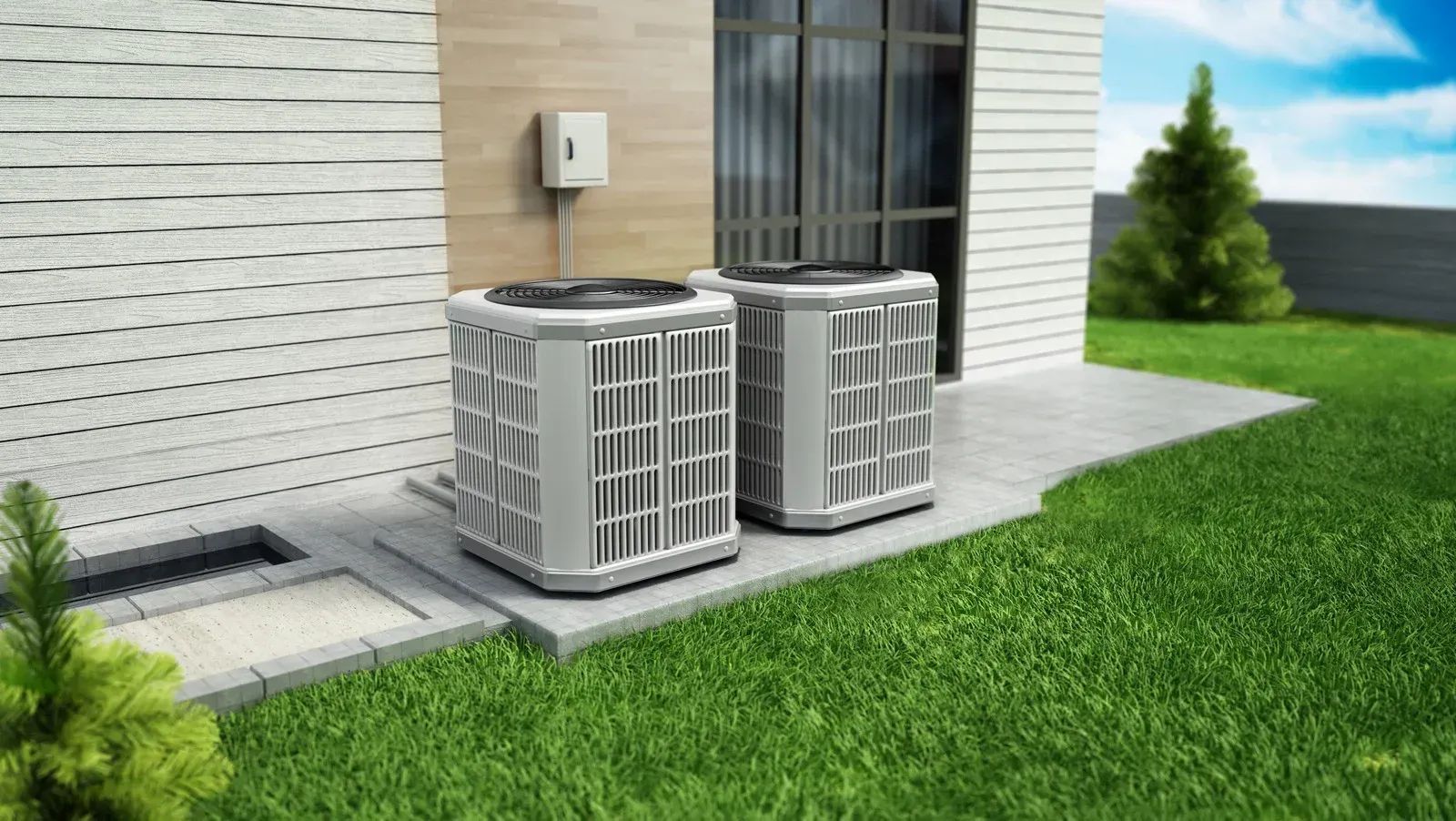
Winter brings with it the need for reliable and efficient heating systems. As temperatures drop, a well-functioning heating system is not just a matter of comfort; it is essential for safety and energy efficiency. Ignoring the readiness of a heating system can lead to unexpected breakdowns, higher energy bills, and even health hazards due to inadequate warmth. Preparing a heating system before the first cold snap ensures consistent indoor temperatures, extends equipment lifespan, and minimizes costly emergency repairs.
Assessing readiness involves more than flipping a switch and checking for warmth. It requires a comprehensive evaluation of system components, airflow efficiency, thermostat accuracy, and overall mechanical performance. Early detection of issues can prevent service interruptions and maintain a healthy, energy-efficient home environment. Winter readiness also supports sustainability by ensuring the system operates optimally, reducing unnecessary energy consumption. With proactive checks, homeowners and facility managers can enter the season confident that the heating system will meet demands efficiently. This guide provides detailed steps and actionable insights for evaluating heating system readiness, addressing common challenges, and implementing best practices to ensure a warm, safe, and cost-effective winter.
1. Conducting a Comprehensive Visual Inspection
Examine the Heating Unit
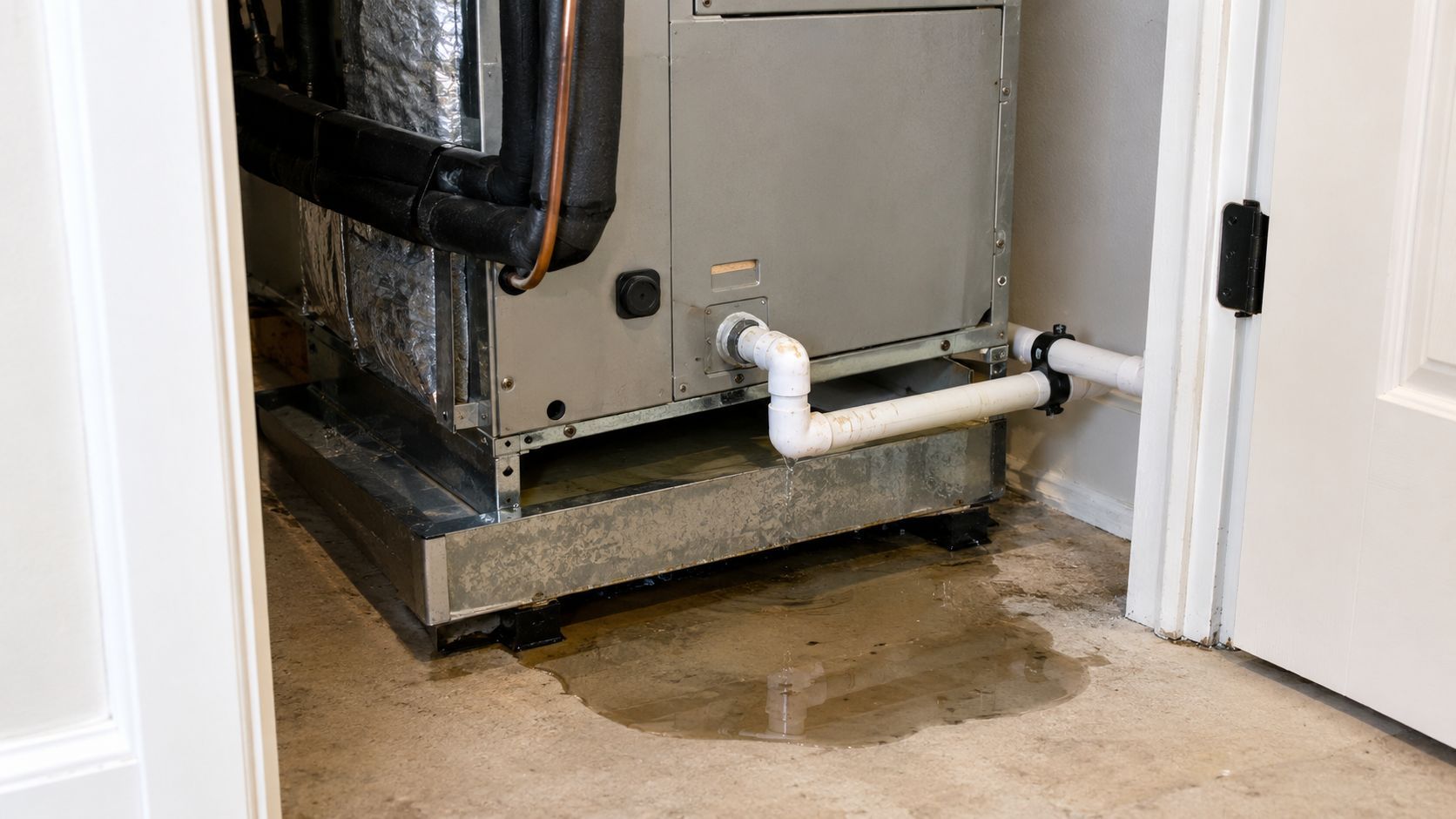
Start by visually inspecting the heating unit for signs of wear and tear. Look for rust, corrosion, or leaks around pipes and vents. Any visible damage may indicate that components are compromised and may fail under high winter demands. Ensure that the exterior panels are secure and free from debris, as blockages can restrict airflow and reduce efficiency. For gas or oil systems, check for soot or discoloration around burners, which can suggest incomplete combustion or a need for maintenance.
Inspect Air Ducts and Vents
Air ducts and vents play a critical role in distributing warm air evenly. Examine them for cracks, loose connections, or dust accumulation. Leaks in ductwork can lead to heat loss and uneven temperatures throughout the space. Ensure that all registers are unobstructed by furniture or other objects. Cleaning dust and debris from vents improves airflow, reduces allergens, and enhances overall system performance.
Check Safety Features
Modern heating systems include multiple safety features, including pressure relief valves, carbon monoxide detectors, and emergency shut-offs. Test these features to confirm they function properly. Safety inspections are particularly important for older systems, as outdated components may not respond correctly to malfunctions. Confirming that safety features are operational protects both the property and occupants.
2. Testing Performance and Efficiency
Evaluate Thermostat Functionality
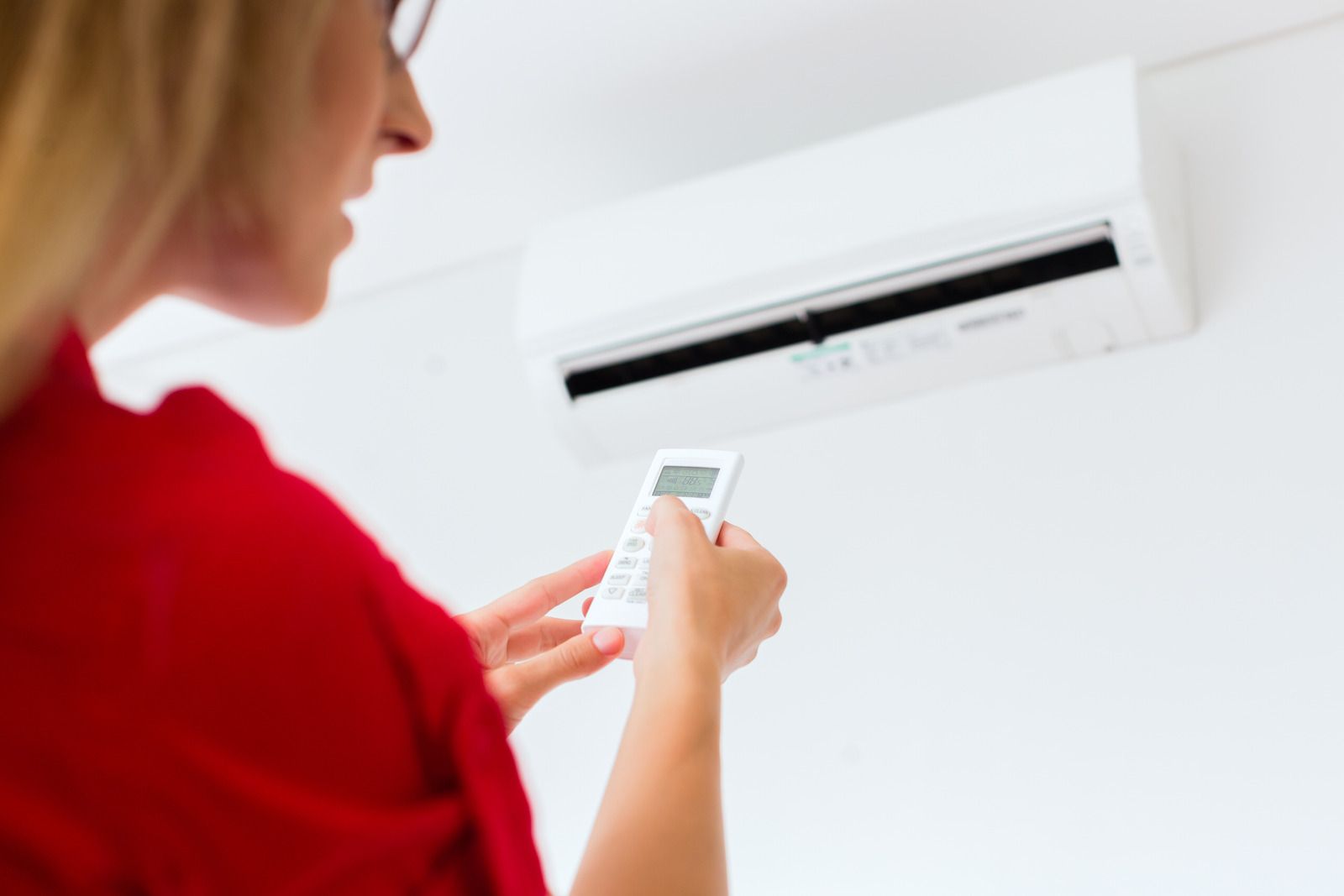
The thermostat serves as the control center for the heating system. Verify that it accurately reflects indoor temperatures and responds to adjustments. Replace batteries if needed and consider upgrading to a programmable or smart thermostat for enhanced efficiency. Incorrect thermostat readings can cause the system to overwork, resulting in higher energy bills and uneven heating.
Conduct a Test Run
Before winter, run the system for a full cycle. Listen for unusual sounds such as banging, rattling, or hissing. These noises may indicate loose components, air trapped in pipes, or worn-out parts that require professional attention. Monitor the temperature rise in multiple rooms to ensure even distribution. Slow or inconsistent heating can point to airflow issues or a need for system balancing.
Measure Energy Efficiency
Checking energy consumption provides insights into the system’s efficiency. High energy use may indicate dirty filters, clogged vents, or aging equipment. Compare current energy usage to historical data to identify abnormalities. A heating system running efficiently not only reduces costs but also lessens environmental impact. Implementing minor maintenance tasks, such as cleaning coils or lubricating motors, can significantly improve performance and prolong equipment life.
3. Cleaning and Maintenance Essentials
Replace or Clean Filters
Air filters are critical for system efficiency and indoor air quality. Clogged filters restrict airflow, forcing the system to work harder and increasing wear on components. Replace disposable filters or clean reusable filters at least once before winter. Filters should match the system specifications to avoid airflow resistance or damage to sensitive parts.
Inspect and Clean Burners or Heat Exchangers
For gas, oil, or propane systems, burners and heat exchangers must be free of dirt and debris. Dirty burners reduce combustion efficiency, increase fuel consumption, and can create dangerous conditions such as carbon monoxide buildup. Cleaning these components ensures optimal heat transfer and reliable system operation.
Lubricate Moving Parts
Motors, fans, and other mechanical parts benefit from regular lubrication. Friction in moving components increases energy consumption and accelerates wear. Applying proper lubricants reduces operational noise, prevents overheating, and extends service life.
Clear Surrounding Areas
Ensure that the area around the heating unit is free of clutter, dust, and combustible materials. Restricted airflow or obstructions near the system can compromise performance and create safety hazards. Maintaining a clean, organized environment around the heating system enhances efficiency and reduces the risk of fire or other hazards.
Proper maintenance prepares the heating system for continuous operation under winter conditions. A well-maintained system operates more efficiently, lasts longer, and provides reliable warmth without unexpected disruptions.
4. Checking Fuel Supply and Connections
Inspect Fuel Lines and Storage
For systems using gas, oil, or propane, fuel lines and storage tanks require careful inspection. Look for corrosion, leaks, or loose connections. Even minor leaks can reduce system efficiency and present significant safety risks. Secure any loose fittings and replace damaged lines to prevent interruptions during peak winter use.
Ensure Adequate Fuel Levels
Verify that storage tanks are full and ready for the season. Running out of fuel during cold weather can result in discomfort and emergency service calls. Schedule fuel deliveries or refill tanks as needed to maintain uninterrupted operation.
Monitor Combustion and Venting
Combustion efficiency depends on clean fuel supply and proper venting. Inspect exhaust pipes for blockages, rust, or damage. Ensure that flues and chimneys are clear of debris, nests, or obstructions that can hinder gas or oil exhaust. Proper venting prevents dangerous buildup of gases and supports efficient heating.
Plan for Contingencies
Unexpected fuel delivery delays or system malfunctions can occur during winter. Keep emergency contacts and backup plans in place. Having an action plan ensures that the property remains warm and safe even in unexpected situations.
Ensuring fuel readiness guarantees continuous heating during the season. Proactive inspection and maintenance of fuel systems enhance safety, reliability, and overall performance.
5. Monitoring Indoor Air Quality and System Health
Evaluate Indoor Air Quality
Heating systems can significantly impact indoor air quality. Accumulated dust, allergens, and humidity issues can exacerbate respiratory conditions and reduce comfort. Consider installing high-efficiency filters, air purifiers, or UV lights to maintain clean indoor air.
Test Humidity Levels
Winter air tends to be dry, which can cause discomfort, static electricity, and damage to wood furniture or flooring. Use a humidifier integrated with the heating system or portable units to maintain optimal humidity levels, typically between 30% and 50%.
Inspect for Carbon Monoxide
Carbon monoxide detection is critical for systems that burn fuel. Test existing detectors and replace them if they are outdated. Ensure that detectors are strategically placed near bedrooms, living areas, and near the heating unit. A properly functioning carbon monoxide detector protects occupants from a silent but potentially fatal threat.
Monitor System Performance Over Time
Regularly monitor temperature consistency and system response. Sudden fluctuations, uneven heating, or unusual odors can indicate underlying problems. Early recognition allows timely intervention before minor issues escalate into costly repairs or hazardous conditions.
6. Preparing for Professional Maintenance and Support
Schedule Annual Professional Inspection
Even with diligent personal checks, professional inspections provide in-depth analysis and maintenance that may not be visible to the untrained eye. Certified technicians can detect issues in electrical connections, heat exchangers, combustion efficiency, and more. Scheduling inspections before winter ensures the system is optimized and ready for heavy use.
Understand Warranty and Service Plans
Review any existing warranties or service contracts. Knowing coverage details allows for timely repairs without unexpected costs. Service plans often include priority scheduling, discounts on repairs, and preventive maintenance, offering both peace of mind and financial savings.
Prepare for Emergency Support
Identify emergency contacts for rapid service in case of sudden system failure. Maintain accessibility to replacement parts, manuals, and fuel supplies. Being prepared for emergencies ensures continuous warmth and safety during winter’s most challenging conditions.
Professional maintenance combined with proactive preparation maximizes system reliability, efficiency, and longevity. Partnering with qualified experts ensures peace of mind throughout the season.
Professional Support for Complete Winter Heating Readiness
Ensuring that a heating system is ready for the winter season involves a combination of visual inspections, performance testing, maintenance, fuel readiness, air quality management, and professional oversight. Early attention to these areas reduces energy costs, prevents unexpected breakdowns, and promotes safety. A proactive approach creates a consistent and comfortable indoor environment while extending the lifespan of heating equipment.
At Georgia Air Control, LLC, Gainesville, Georgia, we bring 15
years of experience in preparing, maintaining, and optimizing heating systems for winter readiness. Our commitment is to provide expert guidance, reliable services, and practical solutions tailored to each home or facility. With in-depth knowledge and hands-on experience, we ensure every heating system operates at peak performance, delivering consistent warmth and efficiency throughout the season. Trust in Georgia Air Control, LLC
to safeguard comfort, safety, and energy efficiency this winter.