
Professional Heating Installation: Why DIY Isn’t Worth the Risk
May 5, 2026
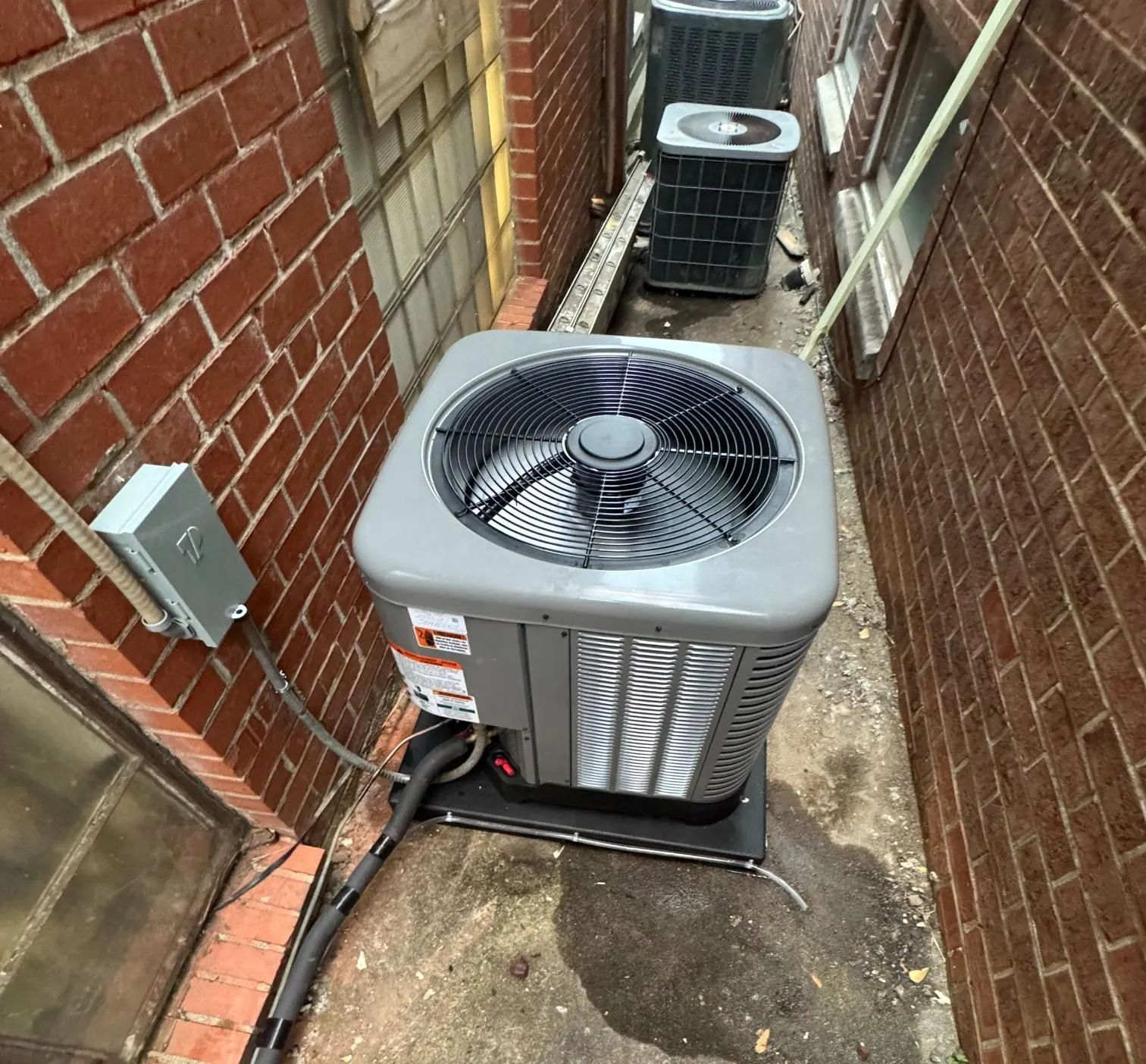
Winter brings its own set of challenges, and a properly functioning heating system is essential for comfort, safety, and energy efficiency. Many homeowners consider installing or replacing heating systems themselves to save money. While the idea may seem appealing at first, the risks associated with DIY heating installation far outweigh any short-term cost savings. Heating systems are intricate, requiring precise knowledge of electrical wiring, gas connections, venting, and system calibration. A small mistake during installation can result in inefficient heating, safety hazards, or even complete system failure. Understanding these risks is crucial before deciding to take matters into one’s own hands.
Heating installation involves far more than connecting a furnace or boiler to the existing system. It requires adherence to building codes, safety regulations, and manufacturer specifications. Proper sizing, placement, and integration into a home’s layout are critical for optimal performance. Additionally, modern heating systems often include smart controls, variable-speed components, and energy-saving features that demand professional expertise. Attempting a DIY approach can compromise system longevity, safety, and efficiency. This blog explores why professional installation is the smarter choice, highlighting the technical challenges, safety concerns, and long-term benefits of entrusting heating installation to trained experts.
1. Understanding the Complexity of Modern Heating Systems
Types of Heating Systems
Heating systems vary widely, including furnaces, boilers, heat pumps, and radiant floor systems, each designed for specific heating needs. Each type involves unique installation requirements, safety considerations, and operational principles that must be understood. Furnaces require proper venting and precise gas connections, while boilers need careful handling of water pressure, circulation, and pipe alignment. Heat pumps depend on refrigerant handling, electrical components, and correct insulation, and radiant heating demands precise pipe layout, insulation, and calibration.
Advanced Features Require Expertise
Modern heating systems incorporate advanced smart thermostats, zoned heating, and highly energy-efficient components to maximize performance. Configuring these features correctly is crucial for comfort, energy savings, and long-term reliability. Professionals ensure proper calibration, system balance, and seamless integration with existing HVAC infrastructure for optimal operation. Incorrect setup can result in uneven heating, higher energy bills, premature component failure, or system damage.
Real-World Scenario
Consider a homeowner attempting a DIY furnace installation without technical experience. Improper venting can cause carbon monoxide leaks, posing a serious health hazard, while a poorly connected gas line might trigger leaks or inefficient combustion. Even if the system runs initially, incorrect installation reduces energy efficiency, creates uneven heating, and leads to higher utility costs over time. These real-world risks highlight why technical expertise, proper tools, and professional training are critical during installation to ensure safety and system longevity.
2. Safety Risks of DIY Heating Installation
Gas and Electrical Hazards
Heating systems often involve both gas and electrical connections, each with significant safety implications if mishandled. Mishandling gas lines can lead to dangerous leaks, explosions, or carbon monoxide exposure, while incorrect electrical connections can create fire hazards, system malfunctions, or complete equipment failure. DIY attempts expose homes to avoidable dangers that could have life-threatening consequences, making professional expertise a necessary investment for safety and compliance.
Code Compliance and Legal Considerations
Building codes, local regulations, and safety standards govern heating system installation, ensuring safe operation in all homes. Non-compliance can result in fines, legal issues, insurance complications, or even system shutdowns during inspections. Professionals ensure that installations meet all legal requirements, including permits, inspections, and safety certifications, protecting the homeowner from liability.
Long-Term Consequences
A minor installation mistake may not be immediately noticeable but can cause serious problems over months or years. Gas leaks, overheating, improper venting, or electrical strain often develop gradually, putting household members and property at risk. Emergency repairs after a failed DIY installation are significantly more costly than professional installation upfront, reinforcing the value of trained expertise. Investing in professional installation prevents long-term safety hazards, ensures reliable operation, and provides peace of mind for the future.
3. Efficiency and Energy Savings Depend on Proper Installation
Sizing the System Correctly
An improperly sized heating system consumes more energy, operates inefficiently, and fails to maintain consistent comfort throughout the home. Oversized systems cycle on and off frequently, reducing efficiency, creating wear and tear, and shortening equipment lifespan. Undersized systems struggle to heat spaces adequately, increasing energy bills and lowering comfort levels during colder months. Professional assessments consider square footage, insulation levels, climate conditions, and home layout to determine the correct system size, ensuring optimal performance and energy savings over the long term.
Optimal Placement and Ductwork
Placement of the heating unit, vents, and ductwork significantly affects airflow, heat distribution, and overall energy efficiency. Misaligned ducts, blocked vents, or poorly designed airflow paths create cold spots, uneven heating, and unnecessary strain on the system. Professionals carefully design, install, and test ducting layouts to optimize air distribution, reduce energy consumption, and ensure every room receives consistent heat without overworking the system or components. Proper placement improves comfort, extends equipment life, and prevents recurring maintenance issues.
Calibration and Testing
After installation, heating systems require precise calibration and testing to achieve maximum efficiency and performance. Professionals measure pressure, airflow, and temperature settings while verifying that components operate within manufacturer specifications. DIY installations often neglect these critical steps, resulting in higher energy consumption, reduced comfort, and premature wear on system components. Proper commissioning guarantees the system operates at peak performance from day one.
4. Warranty Protection and Avoiding Costly Mistakes
Manufacturer Requirements
Many heating system manufacturers require professional installation to maintain warranty coverage and protect against defects. DIY installation can void warranties, leaving homeowners responsible for expensive repairs or complete system replacement. Professionals ensure compliance with manufacturer specifications, installation guidelines, and safety requirements, protecting the homeowner’s investment and extending system longevity. Following proper procedures avoids costly disputes with manufacturers and ensures full warranty benefits for years of trouble-free operation.
Avoiding Common Installation Errors
Common DIY mistakes include incorrect venting, improper wiring, poor insulation, insufficient sealing, and unbalanced airflow. Each of these errors can lead to system inefficiency, mechanical failure, or serious safety hazards over time. Investing in professional installation upfront prevents recurring costs, ensures optimal system performance, and avoids hazards associated with incorrect DIY installation.
Example: Cost Comparison
A homeowner may save $500 on a DIY heating system installation initially, but a gas leak repair, venting correction, or premature furnace replacement can cost between $2,000 and $5,000. Professional installation eliminates these risks entirely, offering peace of mind, safety, and long-term cost savings. The upfront investment in skilled installation is justified when factoring in system efficiency, warranty protection, and overall durability.
5. Professional Installation Ensures Long-Term Reliability
Routine Maintenance Integration
A professional installation sets the foundation for effective ongoing maintenance, reducing breakdowns and extending the system’s operational life. Technicians document system parameters, component locations, and service requirements for future reference, ensuring consistent maintenance. Properly installed systems are easier to maintain and inspect, preventing overlooked issues that can cause premature failures. DIY installations often skip these critical steps, leaving systems vulnerable to avoidable malfunctions and expensive repairs over time.
Expert Troubleshooting
Professional installers provide expert guidance on identifying and resolving potential issues early. Recognizing early signs of system strain, leaks, or component wear prevents costly emergency repairs and ensures uninterrupted heating performance. Understanding system behavior, performance patterns, and manufacturer specifications allows professionals to address problems proactively, maximizing system longevity and reliability.
Peace of Mind
Professional installation reduces anxiety about safety hazards, system efficiency, and rising energy costs. Knowing the system is installed correctly allows homeowners to focus on comfort, productivity, and energy savings rather than monitoring performance or fearing malfunctions. Proper installation ensures consistent performance, safety, and reliability for years to come.
6. Choosing the Right Professional Installer
Credentials and Training
Selecting qualified professionals ensures safety, quality, and reliable system performance. Look for certifications, licensing, and formal training that demonstrate expertise in modern heating system installation. Experienced technicians understand local building codes, safety requirements, and industry best practices, guaranteeing a seamless, compliant installation process that maximizes efficiency and reduces future repair needs.
References and Reviews
Past customer experiences provide valuable insight into reliability, service quality, and professionalism. Trusted installers often maintain a portfolio of successfully completed projects and positive testimonials, reinforcing accountability and customer confidence. Researching references ensures homeowners make informed decisions when investing in a critical home system, avoiding inexperienced or unqualified providers.
Transparent Process and Communication
Clear, proactive communication throughout installation prevents misunderstandings, ensures expectations are met, and builds confidence in the process. Professional installers provide detailed estimates, explain each installation step, and answer questions about system operation, maintenance, and performance optimization. This transparency fosters satisfaction, trust, and a sense of security in the investment, ensuring homeowners know exactly what to expect.
Professional Installation Ensuring Safety and Comfort
Attempting DIY heating installation presents serious risks, from safety hazards to inefficient system performance. Proper installation requires technical expertise, adherence to codes, correct system sizing, and careful calibration to ensure efficiency, comfort, and safety. Mistakes can lead to costly repairs, voided warranties, and long-term reliability issues. Professional installation provides peace of mind, optimized energy savings, and a durable system capable of meeting the demands of modern households.
At Georgia Air Control, LLC, based in Gainesville, Georgia, we bring 15
years of experience delivering reliable,
professional heating solutions. Our expertise ensures every installation meets the highest standards of safety, efficiency, and performance. We focus on precise system assessment, expert installation, and ongoing support to maximize comfort and energy savings for every client. Trust Georgia Air Control, LLC
to handle heating installation with professionalism, care, and a commitment to long-term reliability. Choosing our services guarantees a seamless experience and a heating system ready to face any winter challenge.