
How Modern Air Conditioning Systems Can Improve Home Comfort and Efficiency
February 6, 2026
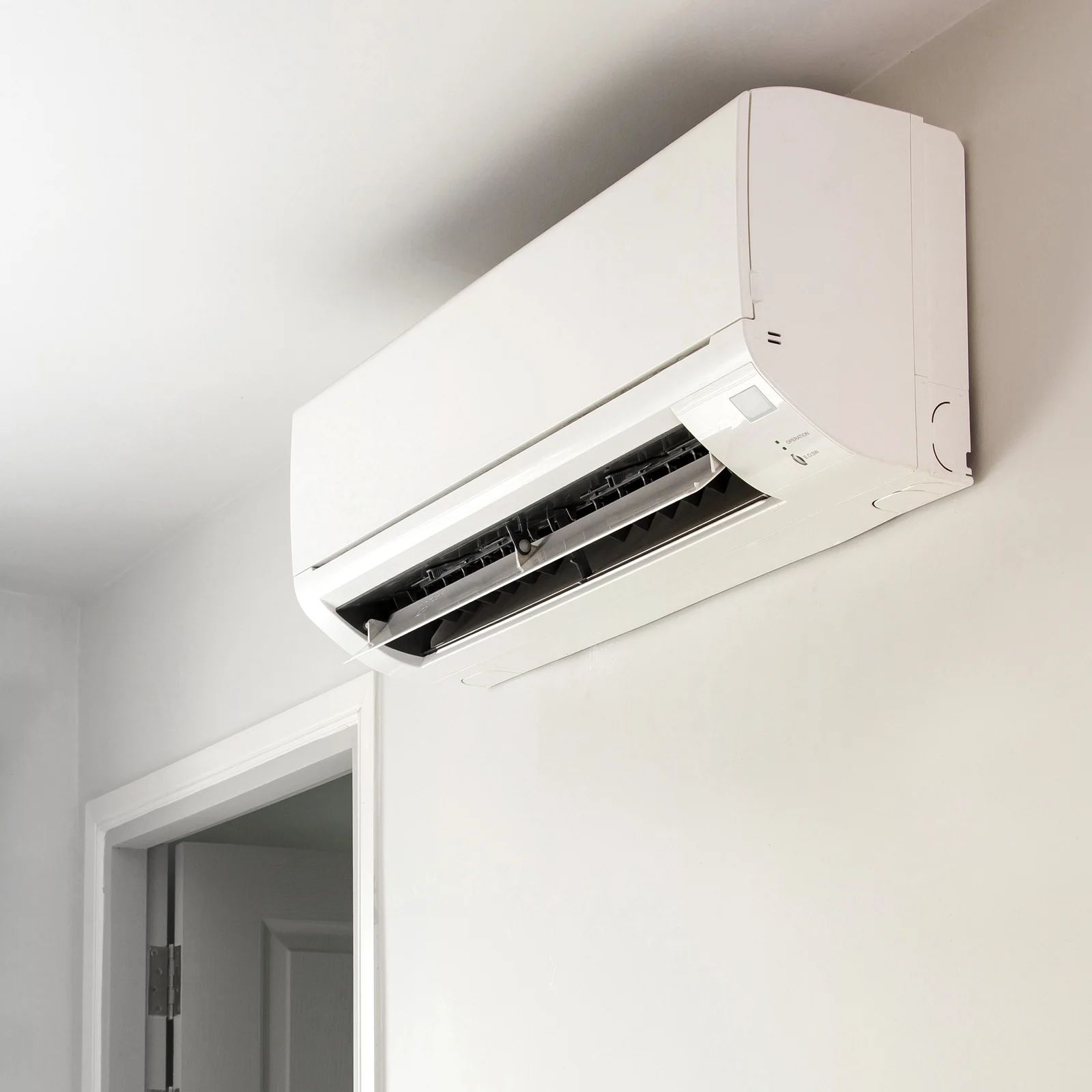
In today’s fast-paced world, maintaining a comfortable and energy-efficient home has become more critical than ever. Air conditioning systems are no longer considered a luxury; they are an essential component of modern living, especially in regions where temperatures fluctuate significantly. Homeowners are increasingly aware that a well-designed air conditioning system can impact more than just comfort—it directly influences energy consumption, utility costs, and even indoor air quality. The evolution of air conditioning technology has created opportunities to enhance home environments with systems that are smarter, more efficient, and tailored to individual needs.
Modern air conditioning systems integrate advanced technology such as programmable thermostats, variable-speed compressors, and smart home connectivity, enabling homeowners to optimize cooling while reducing energy waste. Beyond temperature control, these systems offer benefits like improved humidity management, quieter operation, and better air filtration, contributing to a healthier living space. As climate patterns shift and energy costs rise, investing in a modern air conditioning system has become a proactive approach to home comfort and sustainability. This blog explores how these systems deliver enhanced comfort, operational efficiency, and long-term value, equipping homeowners with actionable insights for smarter decisions.
1. Advancements in Modern Air Conditioning Technology
Smart Thermostats and Automation
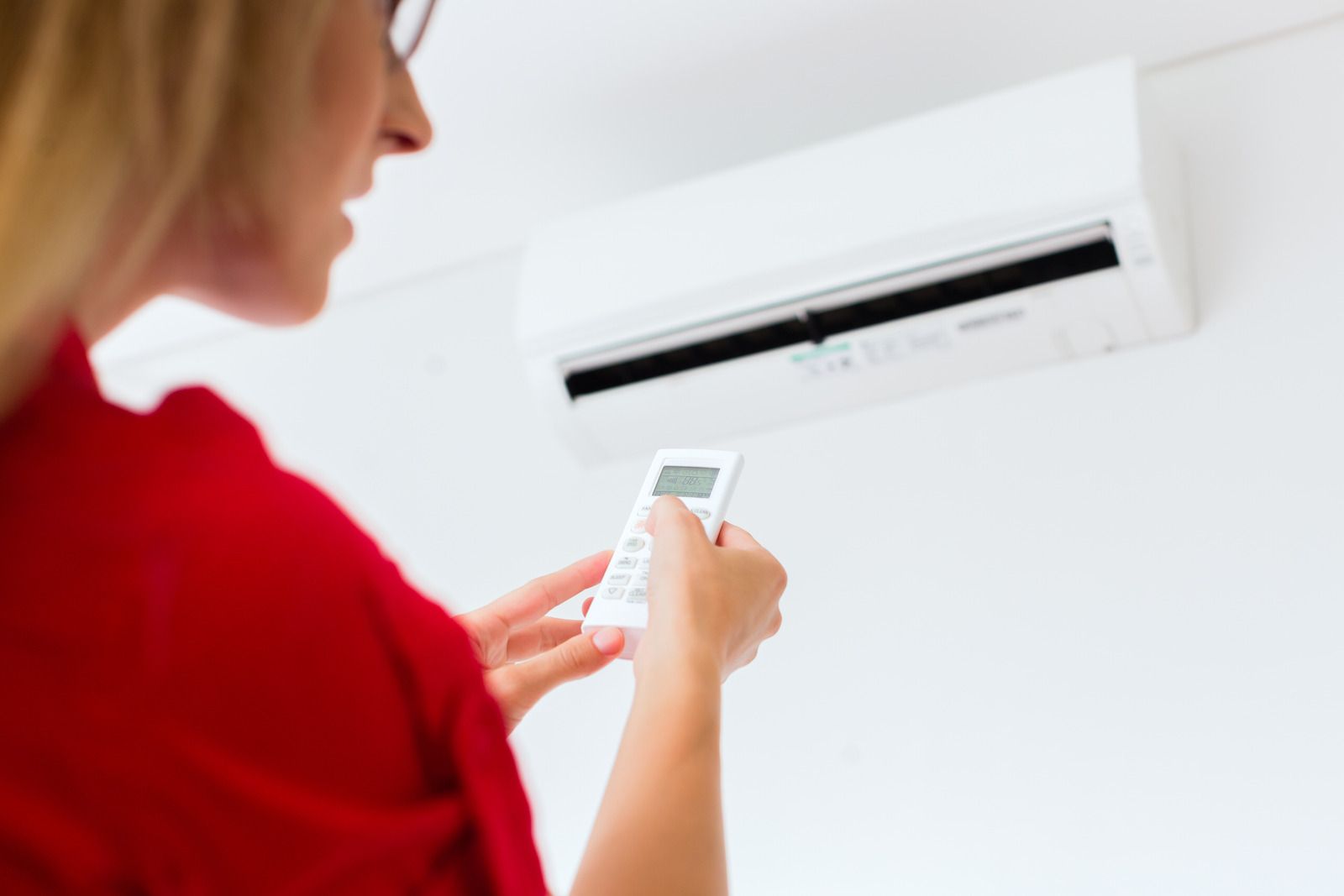
Modern air conditioning systems increasingly rely on smart thermostats to enhance home comfort and efficiency. Homeowners can program schedules based on daily routines, outdoor weather, and personal preferences. For example, a smart thermostat reduces cooling during work hours and pre-cools the home before occupants return. Voice control and smartphone integration make adjustments convenient, while learning algorithms analyze usage patterns over time to improve efficiency and reduce energy consumption, cutting utility costs.
Variable-Speed Compressors and Energy Efficiency
Traditional air conditioners operate at fixed speeds, cycling on and off to maintain temperature. Modern systems use variable-speed compressors, adjusting cooling output continuously based on indoor conditions. This ensures consistent temperature control, reduces wear on components, and significantly increases energy efficiency. Homes with variable-speed systems experience more stable comfort levels, less humidity fluctuation, and quieter operation, making these units ideal for regions with high heat and humidity where consistent performance is critical.
Zoned Cooling Systems
Zoned air conditioning allows independent temperature control for different areas of a home. This ensures living spaces are cooled only when needed, reducing unnecessary energy use. For instance, bedrooms can remain cooler at night while common areas stay warmer. This enhances comfort without overcooling unused rooms. By integrating smart controls and zoning dampers, homeowners achieve precise temperature management, improved energy efficiency, and an overall more customized indoor environment that adapts to their lifestyle and family needs.
2. Enhancing Indoor Air Quality
Advanced Filtration Systems
Modern air conditioning systems do more than cool; they improve indoor air quality. Advanced filtration captures dust, pollen, mold spores, and other allergens, creating a healthier living environment. High-efficiency particulate air (HEPA) filters and UV light systems are increasingly common, reducing airborne contaminants. These upgrades benefit residents with respiratory sensitivities, ensuring clean air circulation throughout the home. Improved filtration also protects HVAC components, maintaining system efficiency and prolonging the lifespan of the equipment.
Humidity Control
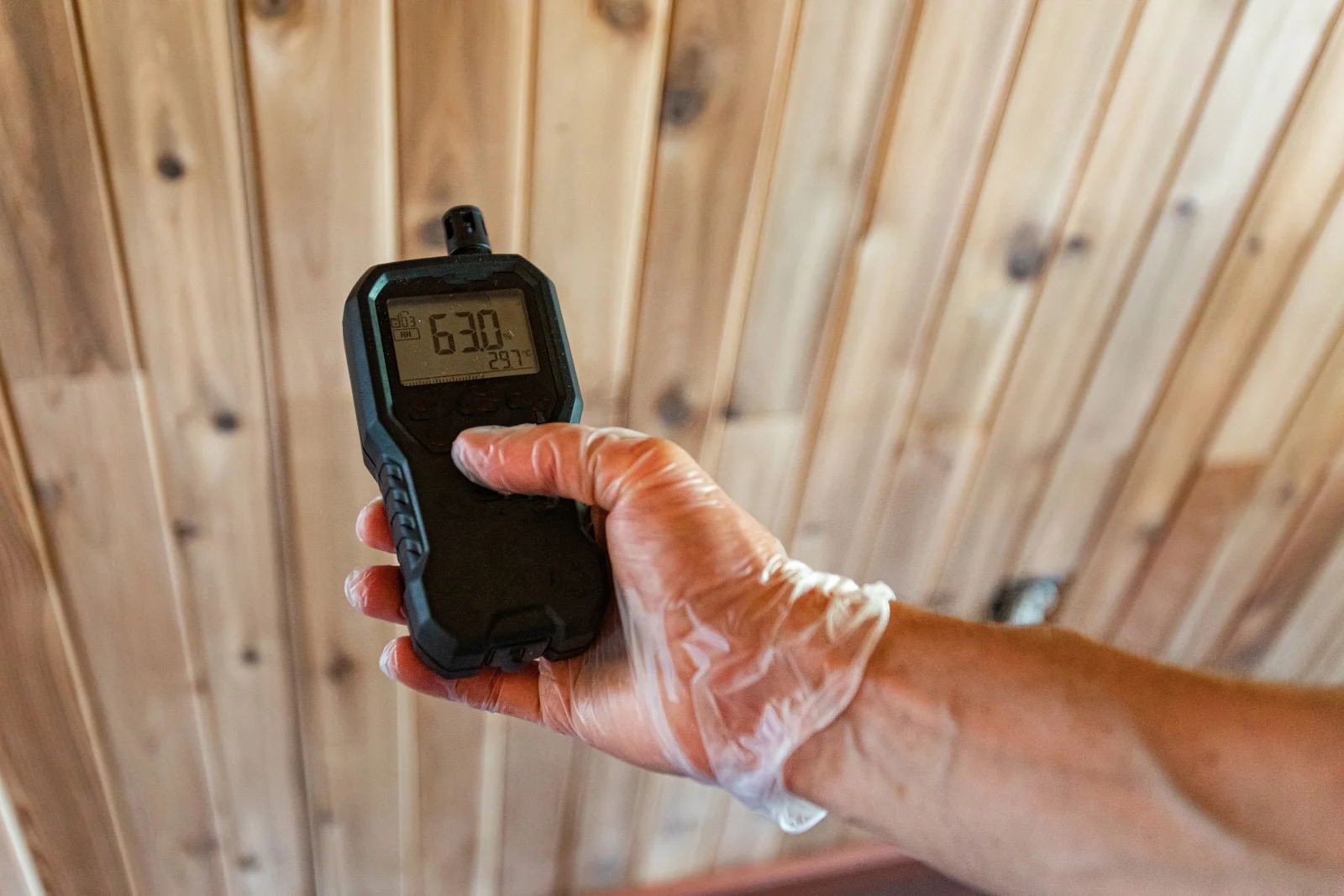
Excess humidity can cause discomfort and promote mold growth, damaging property and threatening health. Modern air conditioners incorporate dehumidification features that maintain optimal indoor moisture levels. Controlled humidity enhances comfort, protects furniture, prevents structural damage, and inhibits harmful microorganisms. These systems automatically adjust to environmental conditions, ensuring balanced moisture levels. Homeowners enjoy consistent indoor comfort while reducing potential health risks, maintaining both property integrity and family well-being throughout all seasons of the year.
Airflow Optimization
Efficient airflow distribution is a hallmark of modern air conditioning. Proper duct design, variable-speed fans, and strategically placed vents ensure conditioned air reaches every corner uniformly. This eliminates hot or cold spots while reducing system strain. Consistent airflow improves temperature control, enhances comfort, and prevents energy waste. By optimizing air movement, modern systems achieve maximum performance, quieter operation, and healthier indoor conditions, ensuring that every room maintains an even climate and consistent energy-efficient cooling throughout the home.
3. Energy Efficiency and Cost Savings
SEER Ratings and Energy Standards
The Seasonal Energy Efficiency Ratio (SEER) measures an air conditioning system’s cooling efficiency. Modern units achieve higher SEER ratings using advanced compressors, refrigerants, and intelligent controls. High-SEER systems consume less energy to produce the same cooling output, reducing utility costs. By selecting a system with an appropriate SEER rating, homeowners benefit from lower energy bills, improved comfort, and long-term operational savings. Efficient systems also align with local energy standards and sustainability goals for environmentally conscious households.
Energy-Saving Practices
Combining a modern air conditioning system with energy-conscious practices maximizes efficiency. Steps like sealing duct leaks, improving insulation, and using ceiling fans reduce system workload. Routine maintenance, including filter replacement and system tune-ups, ensures optimal performance and extends equipment lifespan. Additional practices, such as monitoring energy usage and optimizing thermostat settings, help homeowners minimize waste. These strategies collectively enhance comfort, decrease energy consumption, and result in measurable cost savings over the life of the air conditioning system.
Real-World Example
Consider replacing a 10-year-old air conditioner with a modern high-SEER system. The new unit reduces energy usage by approximately 30%, translating to significant annual cost savings. Over the system’s lifespan, these savings often offset the initial investment while providing superior comfort, consistent performance, and improved indoor air quality. Homeowners experience more reliable cooling, quieter operation, and a smaller environmental footprint, demonstrating how modern systems provide both financial and lifestyle benefits for practical, energy-conscious households.
4. Noise Reduction and Comfort
Quieter Operation
Older air conditioning units often produce disruptive noise during operation, interfering with sleep or daily activities. Modern systems incorporate sound-reducing technologies such as insulated compressors, vibration dampers, and quieter fan motors. These enhancements create a peaceful home environment, allowing cooling to occur almost silently. Homeowners enjoy comfort without distractions, and noise-sensitive spaces like bedrooms and home offices benefit significantly. Reduced operational sound contributes to overall satisfaction, creating a more relaxing and comfortable indoor experience year-round.
Consistent Temperature Control
Variable-speed compressors and zoning systems provide stable and consistent indoor temperatures. Unlike older units that cycle on and off, modern systems maintain desired temperatures with minimal fluctuation. This ensures comfortable living conditions throughout the home and avoids uncomfortable hot or cold spots. Homeowners experience enhanced comfort and better climate control while reducing energy waste. Consistent temperature regulation also protects home furnishings and electronics from temperature-related stress, further extending the benefits of modern air conditioning systems in everyday life.
Personalized Comfort Settings
Advanced control interfaces allow homeowners to customize temperature, airflow, and humidity settings for different rooms or times of day. Each household member can enjoy optimal comfort without overcooling or wasting energy. Smart features adapt to schedules, preferences, and occupancy patterns, making adjustments seamless and automatic. Personalized settings enhance satisfaction, energy efficiency, and convenience, while also supporting long-term maintenance of the air conditioning system. Homeowners gain precise control over their environment for a more comfortable and efficient living experience.
5. Sustainability and Environmental Benefits
Eco-Friendly Refrigerants
Modern air conditioning systems increasingly use refrigerants with lower global warming potential (GWP) than older chemicals. These environmentally friendly options reduce greenhouse gas emissions and support sustainable living. Upgrading to eco-conscious refrigerants also aligns with energy regulations and environmental initiatives. Homeowners benefit from a cooling system that minimizes its ecological footprint without sacrificing performance. By choosing modern systems with greener refrigerants, households contribute to climate-conscious practices while enjoying efficient, reliable, and safe air conditioning.
Energy-Efficient Design
High-efficiency components, such as variable-speed compressors and smart thermostats, reduce energy demand and lower utility costs. By consuming less electricity, modern systems minimize the household carbon footprint and support broader energy conservation efforts. Energy-efficient designs also extend system longevity and reduce maintenance needs. These features provide both economic and environmental advantages, allowing homeowners to enjoy consistent comfort, lower operational costs, and a reduced ecological impact, making energy efficiency a key consideration when selecting or upgrading a cooling system.
Lifecycle Considerations
Investing in modern air conditioning promotes long-term sustainability. Advanced systems typically have longer lifespans, require fewer repairs, and operate efficiently throughout their lifecycle. Reduced material waste, energy consumption, and maintenance needs make these systems environmentally and financially beneficial. Homeowners enjoy reliable performance, improved comfort, and lower overall operational costs. Lifecycle-conscious decisions enhance home value, support sustainable practices, and ensure that cooling systems remain effective, efficient, and environmentally responsible for years to come.
Trusted HVAC Professionals Maximizing System Longevity and Efficiency
Modern air conditioning systems are a transformative investment for homeowners seeking superior comfort, efficiency, and air quality. Through advancements like smart thermostats, variable-speed compressors, zoned cooling, and advanced filtration, these systems deliver precise temperature control, improved indoor air quality, and energy savings. Incorporating eco-friendly refrigerants and energy-efficient designs not only reduces utility costs but also supports environmental sustainability. Additionally, quieter operation, humidity management, and personalized comfort options enhance the overall living experience. To maximize these benefits, professional installation and routine maintenance are essential, ensuring the system operates optimally and maintains long-term reliability.
For homeowners in Gainesville, Georgia, Georgia Air Control, LLC
offers 15
years of experience in delivering high-quality air conditioning solutions. Our team of licensed professionals specializes in modern system installation, maintenance, and upgrades, ensuring homes remain comfortable, energy-efficient, and safe year-round. With a commitment to excellence and customer satisfaction, Georgia Air Control, LLC
provides expert guidance, customized solutions, and reliable service that homeowners can trust for lasting performance and comfort.