
Signs Your Air Conditioner Needs Professional Repair Before Summer Hits
January 29, 2026
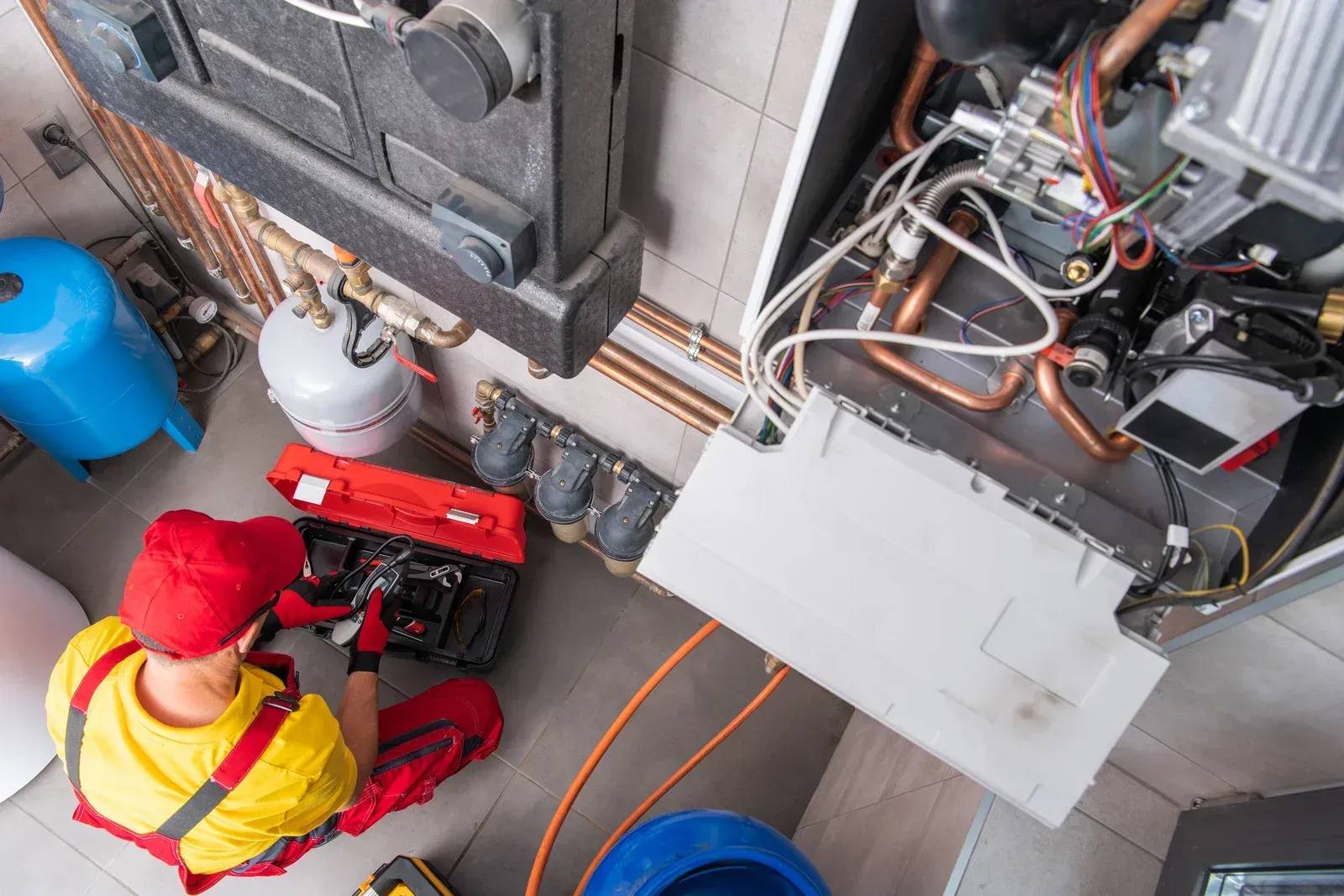
Summer brings longer days, soaring temperatures, and the urgent need for a reliable cooling system. Homeowners and businesses alike depend on their air conditioners to provide comfort and maintain indoor air quality during the hottest months of the year. Yet, many neglect regular maintenance or ignore early warning signs, leading to costly repairs or complete system failures at the worst possible time. Knowing when your air conditioner requires professional attention is essential to avoid disruption, discomfort, and unnecessary expense. This proactive approach not only preserves the efficiency of your system but also extends its lifespan, ensuring your indoor spaces remain cool and comfortable when summer temperatures peak. Moreover, a well-maintained AC contributes to better air circulation, reduces the risk of allergens, and ensures that indoor environments remain safe and healthy for family, employees, or customers.
Identifying the need for repair before the sweltering heat arrives can save both money and stress. From unusual noises and inconsistent cooling to rising energy bills and water leakage, these indicators are often overlooked until they escalate into major issues. Early intervention by a professional HVAC technician can prevent emergency breakdowns, reduce energy consumption, and improve air quality. Taking prompt action not only prevents inconvenience but also protects the overall investment in your HVAC system. By understanding the key signs of air conditioner distress and acting promptly, homeowners can enjoy a worry-free summer while maximizing the performance and longevity of their cooling systems. Additionally, staying ahead of potential problems ensures that repairs can be scheduled at convenient times, rather than during peak heat waves when service calls are in high demand.
1. Uneven Cooling Throughout the Home
Spotty or Inconsistent Airflow
If certain rooms are noticeably warmer or cooler than others, it may indicate an issue with your air conditioner’s airflow. Blocked vents, a failing compressor, or ductwork leaks can cause uneven cooling. For example, you might notice your bedroom stays sweltering while the living area feels adequately cooled. Ignoring these disparities can lead to uneven wear on your system and rising energy bills as your AC struggles to maintain consistent temperatures.
Causes and Expert Insights
Uneven cooling often points to more than just dirty filters. Leaks in ductwork, malfunctioning dampers, or failing blower motors are common culprits. A professional technician can perform a thorough inspection, identify the source of the problem, and recommend solutions that restore consistent airflow. Repairing these issues early prevents further strain on the system, ultimately reducing the risk of a total breakdown.
Actionable Steps
Regularly check air vents for dust or obstructions and schedule an annual duct inspection. If you notice persistent temperature discrepancies, contact a professional HVAC service promptly to address the underlying issue before it worsens.
2. Rising Energy Bills Without Increased Usage
Unexplained Spikes in Utility Costs
A sudden increase in electricity consumption is a common yet often overlooked sign that your air conditioner is struggling. Even if your usage habits remain unchanged, a declining system efficiency can cause your energy bills to spike. For instance, a properly functioning AC should maintain temperature with minimal energy expenditure. When the system works harder to achieve the same cooling effect, energy costs rise noticeably.
Causes and Technical Explanation
Energy inefficiency can stem from refrigerant leaks, worn-out compressors, dirty coils, or aging components. These problems force your AC to operate longer cycles, consuming more power and accelerating wear. Over time, neglecting this warning can shorten the lifespan of your system and lead to expensive repairs or replacement.
Actionable Steps
Monitor your energy bills closely, especially during peak usage months. Routine maintenance, including coil cleaning and refrigerant checks, can prevent inefficiency. If unexplained spikes persist, a licensed HVAC technician should evaluate your system to restore optimal performance.
3. Strange Noises or Vibrations
Unusual Sounds and Their Implications
Air conditioners operate quietly when functioning correctly. Any unusual sounds—such as grinding, rattling, hissing, or squealing—signal potential mechanical issues. For example, a loud screeching noise may indicate a worn belt or motor problem, while rattling could suggest loose components. Ignoring these signals can lead to sudden system failure during extreme heat.
Causes Behind the Noise
Mechanical wear, debris in the unit, or loose internal parts are common causes of abnormal sounds. Additionally, failing compressors or blower motors may produce grinding noises, indicating an urgent need for repair. Left unchecked, these issues can escalate into total system breakdowns, requiring costly emergency intervention.
Best Practices for Prevention
Schedule seasonal inspections to identify worn belts, loose screws, or mechanical failures before they escalate. Addressing unusual sounds early ensures your system operates efficiently and extends the service life of critical components.
4. Water Leaks or Excessive Moisture
Recognizing Condensation Problems
Water leakage around your air conditioning unit is more than a minor inconvenience—it’s a warning sign of underlying problems. Common indicators include puddles beneath the unit, dripping from vents, or excessive condensation on indoor units. Such issues compromise system efficiency and can lead to structural damage or mold growth if ignored.
Causes and Expert Insights
Water leaks are typically caused by clogged condensate drains, frozen coils, or refrigerant imbalances. A blocked drain prevents proper moisture removal, causing water to overflow, while frozen coils can thaw and leak indoors. Professional repair ensures that condensate systems function correctly, preventing property damage and maintaining indoor air quality.
Actionable Steps
Inspect the area around your AC unit for signs of moisture regularly. Clean accessible drain lines and ensure vents are unobstructed. If leaks persist, seek professional assessment to prevent mold growth and further damage.
5. Frequent Cycling or Inability to Maintain Temperature
Signs of Overworking
If your air conditioner cycles on and off frequently or struggles to maintain the desired indoor temperature, it may indicate serious mechanical or electrical issues. Short cycling—rapidly turning on and off—places immense strain on system components, increasing the risk of failure. Conversely, prolonged operation without reaching set temperatures signals inefficiency or refrigerant problems.
Causes and Technical Explanation
Short cycling often results from faulty thermostats, refrigerant imbalances, or blocked air filters. Extended running periods may indicate low refrigerant levels or compressor failure. Both conditions can significantly reduce energy efficiency and accelerate wear on key components, leading to costly repairs.
Expert Recommendations
Regularly clean filters and ensure vents are unobstructed. If short cycling or prolonged operation persists, call a professional HVAC technician. Early diagnosis and repair restore proper function, improve energy efficiency, and prevent emergency breakdowns.
6. Foul or Unusual Odors
Identifying Warning Scents
Air conditioners should circulate clean, neutral-smelling air. Any unusual odors, such as musty, burning, or chemical smells, signal potential problems. For example, a musty scent may indicate mold or mildew buildup in the ductwork, while a burning odor could point to electrical issues or overheating components.
Causes and Expert Insights
Musty odors often originate from accumulated moisture, mold, or clogged drain lines. Electrical smells can result from wiring issues or failing motors, which can pose safety hazards. Ignoring these odors not only affects comfort but also increases the risk of health concerns and system failure.
Actionable Steps
Schedule annual HVAC cleanings to reduce mold, dust, and debris buildup. Immediately contact a professional if you detect unusual smells, particularly burning or chemical odors, to address potential safety risks before they escalate.
7. Age of Your System and Increased Breakdowns
When Time Becomes a Factor
Even without obvious warning signs, the age of your air conditioner is a critical factor in predicting repair needs. Most central air conditioning systems last 10–15 years with proper maintenance. As your system approaches or surpasses this lifespan, it becomes more prone to frequent breakdowns, inefficiency, and higher repair costs.
Benefits of Proactive Evaluation
Older systems may experience decreased cooling capacity, higher energy consumption, and inconsistent performance. Scheduling a professional inspection before summer ensures your unit is reliable when temperatures soar. In some cases, proactive replacement may be more cost-effective than repeated repairs.
Expert Advice
Keep track of your AC’s installation date and maintenance history. If your system is nearing the end of its expected lifespan, consult a licensed technician for an evaluation. Upgrading to a modern, energy-efficient unit can improve comfort, reduce energy costs, and minimize the risk of emergency failures.
Reliable and Skilled Technicians Safeguarding Your Comfort
Recognizing the signs that your air conditioner requires professional repair is crucial for avoiding discomfort, costly breakdowns, and inefficiency during the hot summer months. From uneven cooling and rising energy bills to strange noises, water leaks, and unusual odors, early detection and intervention can save both time and money. Regular inspections, maintenance, and timely repairs ensure that your system performs optimally, providing reliable cooling, improved energy efficiency, and peace of mind.
At Georgia Air Control, LLC in Gainesville, Georgia, we bring over 15 years of experience delivering expert air conditioning repair and maintenance services. Our skilled technicians provide thorough inspections, timely repairs, and proactive solutions tailored to each system’s needs. We prioritize energy efficiency, safety, and comfort, ensuring your home or business remains cool and comfortable all summer long. Trust Georgia Air Control, LLC for reliable, professional, and expert HVAC services backed by years of proven experience and dedication to client satisfaction.